A Change of Guard

សូមស្តាប់វិទ្យុសង្គ្រោះជាតិ Please read more Khmer news and listen to CNRP Radio at National Rescue Party. សូមស្តាប់វីទ្យុខ្មែរប៉ុស្តិ៍/Khmer Post Radio.
Follow Khmerization on Facebook/តាមដានខ្មែរូបនីយកម្មតាម Facebook: https://www.facebook.com/khmerization.khmerican

Friday, 2 May 2014

Two More Anonymous Hackers Arrested

BY  AND  | the cambodia daily, MAY 2, 2014
Two more alleged members of the hacking group Anonymous Cambodia were arrested Thursday for attacking the website of the Anti-Corruption Unit (ACU) and taking it offline for more than two hours this week, an official confirmed Friday.
“We arrested two men and they were both sent to the ACU’s headquarters at 2 a.m. today,” said ACU chairman Om Yentieng. “We have collected enough evidence to prove the two perpetrators are guilty of hacking activities and we will send them straight to court.”
He declined to name the two men, but said they are currently being held for questioning.
Mr. Yentieng said the men first attacked ACU’s website from their mobile phones on Wednesday, starting at about 2 a.m., but were unable to infiltrate the site. Then, at about 7 a.m., the men used a computer to attack the site and succeeded in taking it offline for about two hours.
He said the hack was an SQL injection, which exploits vulnerability in an application’s software.
“Our staff who are well educated in information technology are smarter than those hackers and our staff was strong enough to defend and restore the website, and the site is now working again,” said Mr. Yentieng.
On its Facebook page, members of Anonymous Cambodia vowed Friday to continue attacks on the websites of pro-government institutions and claimed to have infiltrated the National Military Police site as well as Cana Securities Ltd., a wholly-owned subsidiary of one of the country’s largest banks, Canadia Bank Plc.
Brigadier General Kheng Tito, spokesman for the National Military Police, said hackers infiltrated the organization’s website for about 10 hours on Thursday.
“It did not harm national security. Now it operates as normal,” he said.
The hackers posted what appear to be usernames and passwords to the website of Cana Securities.

During Campaign, CNRP to Refrain From Attacks on CPP

BY  | the cambodia daily, MAY 2, 2014
Opposition leaders Sam Rainsy and Kem Sokha announced Thursday that the CNRP will comply with an edict handed down last month that bans political parties from criticizing each other during the two-week campaign period for the May 18 council elections, which starts Friday.
The National Election Committee (NEC) on April 12 released a ruling prohibiting parties from insulting each other or raising “the shocking events of the past” during the election campaign. It also ruled that parties would be prevented from setting up permanent campaign bases.
Speaking at CNRP headquarters in Phnom Penh after a morning spent leading workers and supporters in marches, Mr. Rainsy and Mr. Sokha condemned the edict, but said they would follow it in order to campaign.
“In this campaign, we will not attack each other,” Mr. Rainsy said. “We want Cambodians to wake up and join together as a nation to solve the problems of the situation in the country.”
“This is not a protest to demand that Hun Sen step down, we want only to show our policies. We don’t have any problems between the parties, this is about problems with the country,” Mr. Rainsy added.
The NEC’s April 12 edict came shortly after Mr. Rainsy’s an­nounce­ment in late March that the CNRP would use the official two-week campaign period, which ends May 16, to relaunch mass pro­tests to demand Prime Min­ister Hun Sen resign or call a new election.
Protests have been banned since January, when the government violently repressed the CNRP’s last round of demonstrations, which peaked with about 50,000 supporters marching to demand Mr. Hun Sen stand down.
At the press conference, Mr. Sokha said that the party would have to give up its plans to occupy Freedom Park.
“This morning I looked at Free­dom Park, and the view was like a prison,” Mr. Sokha explained. “The CPP has changed Freedom Park into a dark prison that is stronger than Prey Sar prison. The CNRP will build one more Freedom Park near there instead. We need an­other one.”

Amnesty International: Australia and Cambodia should scrap asylum seeker deal

1 May 2014
Read here: Amnesty International.
Amnesty International has reported on the dire conditions at Australian-run detention centres in Nauru and Papua New Guinea (pictured).
© Australian Department of Immigration and Citizenship via Getty Images
Australia should be ending its offshore processing and detention of asylum seekers, not looking to outsource its refugee responsibilities to another, much poorer country
Richard Bennett, Amnesty International’s Asia-Pacific Director
Thu, 01/05/2014
An agreement between Cambodia and Australia to forcibly transfer asylum seekers to the Southeast Asian country should be scrapped, Amnesty International said today.
The call comes amid media reports that Cambodia has agreed a deal “in principle” to receive refugees and asylum seekers from Australia. These may include some of those held at Australian-run detention facilities in Nauru and on Papua New Guinea’s Manus Island.
“Australia should be ending its offshore processing and detention of asylum seekers, not looking to outsource its refugee responsibilities to another, much poorer country,” said Richard Bennett, Amnesty International’s Asia-Pacific Director.  
“Cambodia should be aware of the serious risks around this arrangement and must consider whether it really is ready to participate. The country has only limited capacity to process asylum seeker claims and is still struggling to respect and protect the rights of its own citizens.”
Australia’s unlawful offshore detention centres
Australia’s transfer of asylum seekers to process their claims in detention facilities in Nauru and on Manus Island has amounted to refoulement – sending them to countries where they are subjected to human rights violations. The practice violates Australia’s obligations under both international refugee and human rights law and standards. 
By arbitrarily detaining asylum seekers, Papua New Guinea and Nauru are likewise violating their refugee and human rights law obligations – something that Cambodia must avoid. 
Following a visit to the Australian-run detention centre on Manus Island in November 2013, Amnesty International reported that the deliberately harsh, humiliating conditions there were designed to pressure asylum seekers to return to their country of origin, regardless of whether or not they were refugees.
Violence that erupted at the centre in February 2014 resulted in the death of an Iranian asylum seeker and serious injuries to at least 62 others.
Similarly, an Amnesty International report in November 2012 found that refugees and asylum seekers in the Australian-run detention centre in Nauru were living in cramped conditions, suffered from both physical and mental ailments, and routinely had their human rights violated.
Nauru recently denied Amnesty International access to the detention facility, raising further fears about the potential for human rights violations. 
“Many of the refugees and asylum seekers who could be affected by any agreement between Cambodia and Australia have already been held unlawfully in deliberately harsh, humiliating conditions in Australia’s offshore detention centres,” said Richard Bennett.

CCHR Press Release - CCHR calls for renewed protection of workers rights on Labor Day

CCHR PRESS RELEASE – Phnom Penh, 1 May 2014

On the occasion of Labor Day, CCHR calls for renewed efforts to protect workers’ rights

On the occasion of Labor Day, 1 May 2014, the Cambodian Center for Human Rights (“CCHR”) calls on the Royal Government of Cambodia (the “RGC”) to commit to protecting and promoting labor and workers’ rights in the Kingdom of Cambodia (“Cambodia”). Although human rights violations are rampant, the RGC has done little to concretely address these problems, despite its legal obligations to do so.

Over the past two decades, the garment industry has grown exponentially and is now one of the most important industries in Cambodia, representing a large share of the country’s GDP and employing close to half a million people. But as CCHR noted in its January 2014 Policy Brief on the garment industry in Cambodia, human rights in Cambodia’s garment factories are now more often than not ignored and abused by employers. The garment industry is now plagued by poor workplace and living conditions, insufficient wages, job insecurity, gender-based violence and widespread violations of freedom of association and union rights.

Under domestic and international law, the RGC is responsible for not only refraining from violating human rights themselves but also for ensuring that private actors do not violate human rights. Short and medium term steps towards achieving this include ratifying the International Labour Organization’s Labour Inspection Convention 1947 (No. 81), amending the Labor Law to incorporate more substantial sanctions against those who violate the Labor Law, exercising systematic oversight and inspections of garment factories and other businesses, and ensuring adequate consultation with civil society regarding the forthcoming Law on Trade Unions. CCHR also calls on all stakeholders – including the RGC, garment factories and employers’ associations, and trade unions – to recommit to a peaceful resolution to these issues, to refrain from further violence and intimidation and to negotiate with each other in good faith.  

CCHR Business and Human Rights Project Coordinator Duch Piseth comments:
“Although the RGC has repeatedly pledged to address the issues surrounding the garment industry, there have not been any noticeable improvements in the situation. Meanwhile, many of the union leaders who are fighting against these human rights violations are being repeatedly targeted by the authorities, with many of them currently facing criminal charges. It is high time that the RGC take concrete actions to protect Cambodian workers – both in the garment industry and across all other sectors of the economy.”

Canadian filmmaker Dave Walker found dead in Cambodia

Edmonton native last seen Feb. 14 found dead near Angkor temple

CBC News Posted: May 01, 2014
Dave Walker, 58, who was found dead Thursday, left his room at a guesthouse in northwestern Cambodia on Feb. 14 to allow it to be cleaned. His cellphone, passport and laptop were found in his room.
Dave Walker, 58, who was found dead Thursday, left his room at a guesthouse in northwestern Cambodia on Feb. 14 to allow it to be cleaned. His cellphone, passport and laptop were found in his room. (Ho/Canadian Press)
Dave Walker, a Canadian filmmaker who went missing in Cambodia in February, was found dead Thursday, raising concerns in Edmonton that his death may have been a homicide.
A statement issued on behalf of Walker's family said his body was reportedly discovered at the Angkor temples near Siem Reap, Cambodia. Cambodian law enforcement officials told the family it appeared Walker had died several weeks ago and that there were no initial signs of foul play.
"Absolutely there is the fear that he is murdered — that is the very likely scenario," friend and former colleague Paul Vronsky told CBC Radio in Edmonton today. The family wants to ensure a transparent and professional investigation, he said.
Dave Walker
Edmonton journalist and filmmaker Dave Walker has been found dead at the Angkor Wat temples in Cambodia. A family statement said a doctor at the site was unable to determine a cause of death. (Facebook)
The family's statement said a doctor at the site was unable to determine a cause of death and an autopsy will be held to try to determine how and when Walker died.
The man's body, lying face up, was found Wednesday evening local time by children who were foraging for fruit, forensic officer Pheng Pich of Siem Reap police said.
He said the body was that of a Western male, but confirmation of his identity had to await DNA tests.
Tith Narong, a senior officer with the Siem Reap provincial police, said friends and acquaintances identified Walker on the basis of his clothing.
Walker, 58, had been living in Cambodia for the past year and a half. He was staying at a guest house. He had stepped out so a housekeeper could tend to his room, and he was not seen again. He left behind his cellphone, passport and laptop computer.
The disappearance baffled family and friends, who said Walker spoke the local Khmer language, knew the streets and was familiar with Cambodian culture.
Walker and a partner had set up a film company in Siem Reap in July 2012 called Animist Farm Films. They had recently been working on a documentary about the Khmer Rouge regime, which left an estimated two million people dead during its rule from 1975 to 1979.
"The concern is that the policing system in Cambodia is very Byzantine and distant from us in geography and in time," Vronsky said.
"We have all sorts of parallel information about possible connections to Dave's disappearance and are unsure of the progress of the investigation — why certain things are not being looked at harder."

Yim Sovann interviewed on Singapore's Channel News Asia TV ទូរទស្សន៍សឹង្ហបូរីសម្ភាសន៍លោក យឹម សុវណ្ណ អ្នកនាំពាក្យបក្សសង្គ្រោះជាតិ


Body of missing Canadian Dave Walker found in Cambodia

Dave Walker, here in an undated  photo, has been missing since February. He was found dead today.
HANDOUT / THE CANADIAN PRESS
Dave Walker, here in an undated photo, has been missing since February. He was found dead today.
The family of Dave Walker, a Canadian filmmaker who went missing in Cambodia in February, says he was found dead today.
A statement issued on behalf of Walker’s family says his body was reportedly discovered by a child at the Angkor Wat temples in Siem Reap, Cambodia.
Cambodian law enforcement officials told the family it appeared Walker had died several weeks ago.
The statement says a doctor at the site was unable to determine a cause of death and an autopsy will be held to try to determine how and when Walker died.
Forensic officer Pheng Pich says authorities are waiting on DNA tests before an official confirmation of the body’s identity can be made, but he says there are no initial signs of foul play.
Tith Narong, a senior officer with the Siem Reap provincial police, says friends and acquaintances identified Walker on the basis of his clothing.
Walker, who was 58, had been living in Cambodia for the past year and a half. He was staying at a guest house when he stepped out while a housekeeper tended to his room and was not seen again.

Thursday, 1 May 2014

Sam Rainsy, Kem Sokha and Mu Sochua lead a march with workers asking for a monthly minimum wage of $160 សមរង្ស៊ី កឹមសុខា និងមួរ សុខហួរ ដង្ហែរក្បួនទាមទារប្រក់ខែ$១៦០ជូនកម្មករ


Sam Rainsy: "Due to brutal crackdown on striking garment workers, the CNRP decides to suspend any talks with the CPP." សម រង្ស៊ី៖ " គណបក្សសង្រេ្គាះជាតិ មិនអាចនៅស្ងៀមបានទេ ចំពោះអំពើ ឃោរឃៅ ព្រៃផ្សៃ មកលើកម្មករ


CCHR condemns prolonged ban on public assembly


PHNOM PENH (The Cambodia Herald) – The Cambodian Center for Human Rights (CCHR) strongly condemned the reiteration of the ban on assemblies in Phnom Penh, urging security forces to refrain from using excessive violence against protesters. 

The condemnation was made ahead of the start of the council election campaign period from 2-16 May, and the celebration of International Labor Day.

Phnom Penh governor Pa Socheatvong issued announcement on April 29, banning all public rallies starting from May 1, 2014  after the unionists and opposition sought permission to hold public assemblies at the Freedom Park. 

“Instead of respecting the rights to freedom of expression and assembly, the Royal Government of Cambodia’s decision to refuse civil society groups and the opposition to hold demonstration in Freedom Park on Labor Day and ahead of the upcoming election is a grave violation of these rights,” CCHR’s President Chak Sopheap said in a statement issued on April 30. 

The CCHR said that the Royal Cambodian Government’s ban on public assemblies since January 4, 2014 is unlawful, seriously disproportionate and excessively broad and is in clear violation of international and domestic provision protecting the rights to freedom of assembly. 

Opposition leader declares new demonstration

Give our kids a better deal 

PHNOM PENH (The Cambodia Herald) – The opposition leader Sam Rainsy on Thursday announced to hold demonstration again to demand the release of 23 detained protesters who have been arrested in violent clashes earlier this year. 

Sam Rainsy renewed the opposition protest plan while he as well as Kem Sokha led supporters and factory workers at Naga Bridge near Freedom Park where the authorities set up barricades and razor-wire around to prevent the opposition from celebrating the 128th International Labor Day at the site. 

However, no specific date of the new demonstration was set by Sam Rainsy. 

The opposition leaders came to meet with the supporters and workers at the Naga Bridge after they paid tribute to and held chanting ceremony for workers who died from deadly crackdowns by the government forces on Veng Sreng Street on January 3. 

At the ceremony, the Cambodia National Rescue Party leaders announced their stance to demand wage increase to US$160 for workers and arrest of gunmen who killed workers in the clashes. 

Cambodian police find body believed to be missing Canadian journalist

(Reuters) - Cambodian police discovered a body on Thursday thought to be that of being missing Canadian journalist and author Dave Walker who disappeared in February, police and friend of Walker's said.
Veteran journalist Dave Walker, 58, disappeared on February 14 after leaving a guesthouse in Cambodia's tourist town of Siem Reap - leaving behind all his belongings and carrying only a bottle of water with him, his Cambodian colleague, Sonny Chhoun, told Reuters.
"We suspect that the body is of the missing Canadian journalist," Kirth Chantharith, a police spokesman, told Reuters.
He gave no further details and said police were investigating the cause of death.
Walker was in Cambodia to work on a film and had been investigating remnants of the Khmer Rouge. More than 2 million people were killed in Cambodia from 1975 to 1979 during Khmer Rouge rule.
While Cambodian journalists have at times been attacked and killed, foreign journalists have in recent years rarely been harmed or harassed.
Police spokesman Kirth Chantharith said that the body was discovered in jungle, 300 metres (yards) from the Angkor Thom temple, a tourist attraction near Siem Reap.

May Day rallies demand reform; 5 hurt in Cambodia

PHNOM PENH, Cambodia (AP) — May Day demonstrators denounced low wages and called for better treatment of workers during rallies Thursday that turned violent in Cambodia and in Turkey, where police tried to enforce a ban on public protests.
Security forces in Istanbul's iconic Taksim Square pushed back demonstrators with water cannons and tear gas. Protesters retaliated by throwing objects at police.
In Phnom Penh, civilian auxiliary police, armed with clubs and often used by the government to break up protests, turned on the demonstrators after opposition leaders spoke to the crowd of nearly 1,000. The assaults appeared to be random and limited, and were over in less than an hour.
At least five people were hurt, said Om Sam Ath, an officer of the human rights group Licadho.
"These security forces seem to be addicted to beating people," he said. "Every time they disperse protesters, they beat people, and not one of them has been arrested."
A ban on demonstrations has been in place since January, following numerous labor protests for a higher minimum wage and opposition demonstrations denouncing last July's general election as rigged.
Cambodia is formally democratic, but Prime Minister Hun Sen's authoritarian government has been in power for almost three decades while his opponents have complained of intimidation.
Opposition leader Sam Rainsy, speaking before the violence, condemned the government for banning workers from holding a May Day rally. He said he supports labor's demands for a higher minimum wage for garment factory workers. Textile exports are Cambodia's main foreign exchange earner.
Thousands of workers in Bangladesh, including many from garment factories, took to the streets demanding the execution for the owner of a building that collapsed last year, killing more than 1,100 laborers in the worst disaster the garment industry has seen.
Sohel Rana, the owner of the illegally constructed Rana Plaza, is behind bars and an investigation against him is pending on charges of violating building codes. The building included five garment factories, which were contracted by many Western brands to make clothes.
The protesters, including several trade unions, carried red flags and banners reading "We want execution of Sohel Rana," and "No more deaths in factories."

Beatings mar May Day demonstration in Cambodia

PHNOM PENH, Cambodia (AP) — Security forces beat demonstrators Thursday after a May Day rally held in defiance of a government ban on public protests in the Cambodian capital.
Witnesses said civilian auxiliary police, who are armed with clubs and often used by the government to break up protests, attacked demonstrators after opposition leaders had spoken to the crowd and left the rally site. The assaults appeared to be random and limited, and were over in less than an hour.
Nearly 1,000 factory workers and supporters of the opposition Cambodia National Rescue Party had gathered on the streets outside the city's Freedom Park, which had been barred to demonstrators and sealed off with barbed wire, with hundreds of police on guard. The event was held both to mark the labor holiday and kick off the opposition's campaign for local elections.
A ban on demonstrations has been in place since January, following numerous labor protests for a higher minimum wage and opposition demonstrations denouncing last July's general election as rigged.
Opposition party members have boycotted their seats in the National Assembly, but both the opposition and the government of Prime Minister Hun Sen have said they are close to a deal which would include electoral reforms and moving up the date of the next election.
Hun Sen has been in power for almost three decades, and while Cambodia is formally democratic, his government is authoritarian in nature and known for intimidating opponents.
An officer of the human rights group Licadho said at least five people were hurt by security forces.

Hun Sen's relatives and cronies implicated in illegal logging, including tycoon Kith Meng, tycoon Lim Bunna, his nephew Hun Chea and ex-wife of his cousin

Tycoon Kith Meng, tycoon Lim Bunna, tycoon An Marady, tycoon Try Pheap who is a god-brother of Hun Sen's wife and Hun Chea, who is Hun Sen's nephew and Mrs Seng Keang, who is ex-wife of Dy Choch, alias Hun Choch who is a cousin of Hun Sen, are implicated in the illegal logging in Kratie province.
Tycoon Lim Bunna, aka Kna (pictured bottom right), is also suspected of giving a free luxury mansion in Kampong Cham to Hun Neng, Hun Sen's brother.


Sok Kong's company allowed to construct a hotel on the land belonging to the Apsara Authority ក្រុមហ៊ុន​លោក សុខ គង់ ត្រូវ​បាន​អនុញ្ញាត​ឲ្យ​សង់​សណ្ឋាគារ​លើ​ដី​អាជ្ញាធរ​អប្សរា

Read more about Sok Kong: Who is Sok Kong here.
ដោយ ហង្ស សាវយុត 2014-04-30
សង់​សណ្ឋាគារ សៀមរាប ៦១០
ក្រុម​កម្មករ​សំណង់​អង្គុយ​ចាំ​ធ្វើ​ការ​សាងសង់​រមណីយដ្ឋាន​សុខា​សៀមរាប លើ​ដី​អាជ្ញាធរ​អប្សរា នា​ខេត្ត​សៀមរាប នៅ​ថ្ងៃ​ទី​៣០ ខែ​មេសា ឆ្នាំ​២០១៤។
RFA/Hang Savyouth
ក្រុមហ៊ុន​សុខា​អូតែល បាន​ចំណាយ​ប្រាក់​ជាច្រើន​លាន​ដុល្លារ​អាមេរិក ក្នុង​ការ​ចាប់​ផ្ដើម​សាងសង់​សណ្ឋាគារ​ថ្មី​មួយ​ទៀត​នៅ​ក្នុង​ទីក្រុង​សៀមរាប ដើម្បី​ស្រូប​យក​ចំណូល​ពី​វិស័យ​ទេសចរណ៍។ សណ្ឋាគារ​លំដាប់​ប្រណីត​ថ្មី​មួយ​ដែល​មាន​ឈ្មោះ​ថា រមណីយដ្ឋាន​សុខា​សៀមរាប ត្រូវ​បាន​ធ្វើ​ពិធី​ក្រុង​ពាលី និង​បញ្ចុះ​បឋម​សិលា​ដំណើរ​ការសាងសង់ កាល​ពី​ព្រឹក​ថ្ងៃ​ពុធ ទី​៣០ ខែ​មេសា។
អនុ​ប្រធាន​ក្រុមហ៊ុន​សុខា​អូតែល គឺ​លោក ហ៊ឺ ហេង។ លោក​បាន​ថ្លែង​ក្នុង​ពិធី​បើក​ការដ្ឋាន​នោះ​ថា រមណីយដ្ឋាន​សុខា​សៀមរាប គឺ​ជា​សណ្ឋាគារ​ខ្នាត​ប្រណីត ដែល​សាងសង់​លើ​ផ្ទៃដី​ទំហំ ១៤​ហិកតារ ក្នុង​ចំណោម​ផ្ទៃដី​សរុប​ចំនួន ២៤​ហិកតារ។ រមណីយដ្ឋាន​នេះ សម្រាប់​បម្រើ​សេវាកម្ម​ទេសចរណ៍​ជាច្រើន​ផ្នែក ដូច​ជា មាន​បន្ទប់​ស្នាក់​នៅ មាន​មណ្ឌល​កម្សាន្ត និង​សាល​មហោស្រព ជាដើម។
លោក ហ៊ឺ ហេង៖ «នៅ​ឆ្នាំ​២០១៤ នេះ អាជ្ញាធរ​អប្សរា​បាន​អនុញ្ញាត​ឱ្យ​ក្រុមហ៊ុន​យើង​ខ្ញុំ​សាងសង់​រមណីយដ្ឋាន​សុខា​សៀមរាប ក្នុង​ខេត្ត​សៀមរាប។ ដោយ​យោង​តាម​ការ​អនុញ្ញាត​ជា​ផ្លូវ​ការ​នេះ យើង​ខ្ញុំ​បាន​រៀប​ចំ​ពិធី​ក្រុង​ពាលី បញ្ចុះ​បឋម​សិលា។ នេះ​ជា​ការដ្ឋាន​ទី​៦​ហើយ។ រមណីយដ្ឋាន​សុខា​សៀមរាប ដែល​ត្រូវ​ចាប់​ផ្ដើម​ដំណើរ​ការ​សាងសង់​នៅ​ថ្ងៃ​នេះ ត្រូវ​បាន​រៀប​ចំ​ប្លង់​ស្ថាបត្យកម្ម និង​ការ​តុបតែង​ទៅ​តាម​រចនាបថ​ខ្មែរ ដោយ​គួប​ផ្សំ​ទៅ​តាម​រចនាបថ​បែប​ទំនើប​ខ្លះ ដើម្បី​ធ្វើ​ឱ្យ​សោភ័ណភាព​កាន់​តែ​មាន​ភាព​ប្រណីត»
ទោះ​យ៉ាង​ណា ការដ្ឋាន​សណ្ឋាគារ​ថ្មី​មួយ​ដែល​ចាប់​ផ្ដើម​សាងសង់​នៅ​ទល់​មុខ​អង្គរ​ឃ្យុងយូ ដែល​ជា​តំបន់​អាជ្ញាធរ​អប្សរា​ហាម​ឃាត់ និង​ធ្លាប់​បាន​ដក​ហូត​យក​ដី​ជាច្រើន​កន្លែង ដោយ​ទិញ​ក្នុង​តម្លៃ​ថោក​ពី​ប្រជាពលរដ្ឋ។ មាន​មតិ​ខ្លះ​រិះគន់​ថា ហេតុ​អ្វី​បាន​ជា​រដ្ឋាភិបាល​មិន​អនុញ្ញាត​ឱ្យ​ប្រជាពលរដ្ឋ​រស់​នៅ​លើ​ដី​ទាំង​នោះ​បាន ក៏ប៉ុន្តែ​បែរ​ជា​អនុញ្ញាត​ឱ្យ​ក្រុមហ៊ុន​របស់ លោក​ឧកញ៉ា សុខ គង់ មាន​សិទ្ធិ​យ៉ាង​ពេញ​លេញ រហូត​ដល់​សាងសង់​សណ្ឋាគារ​ទៅ​ទៀត​នោះ?

Sam Rainsy: All political parties should unite to solve the national problems លោក សម រង្ស៊ី ថា​បក្ស​នយោបាយ​គួរ​រួបរួម​គ្នា​ដោះស្រាយ​បញ្ហា​ជាតិ

សម រង្ស៊ី ហ្វឹកហាត់​បាតុករ ៦១០
លោក សម រង្ស៊ី ប្រធាន​គណបក្ស​សង្គ្រោះ​ជាតិ ថ្លែង​ទៅ​កាន់​អ្នក​គាំទ្រ​ដែល​ចូល​រួម​ហ្វឹកហាត់​ធ្វើ​បាតុកម្ម​នា​ទីលាន​ប្រជាធិបតេយ្យ រាជធានី​ភ្នំពេញ នៅ​ថ្ងៃ​ទី៤ ខែ​កញ្ញា ឆ្នាំ​២០១៣។
RFA/Mom Sophon
មេដឹកនាំ​គណបក្ស​ប្រឆាំង​លោក សម រង្ស៉ី ប្រកាស​ថា គណបក្ស​នយោបាយ​ទាំង​អស់​ត្រូវ​រួម​សហការ​គ្នា​ដោះស្រាយ​បញ្ហា​របស់​ជាតិ​ទាំង​មូល។ ការ​ប្រកាស​បែប​នេះ ធ្វើ​ឡើង​នៅ​ព្រឹក​ថ្ងៃ​ទី​៣០ ខែ​មេសា ក្នុង​ដំណើរ​វិល​ត្រឡប់​ពី​បរទេស​វិញ នា​អាកាសយានដ្ឋាន​អន្តរជាតិ​ភ្នំពេញ ក្នុង​ពេល​ដែល​លោក​ឆ្លើយ​សំណួរ​របស់​អ្នក​កាសែត​ជុំវិញ​លទ្ធផល​នៃ​បេសកកម្ម​នៅ​តំបន់​អឺរ៉ុប។
ប្រធាន​គណបក្ស​សង្គ្រោះ​ជាតិ លើក​ឡើង​ថា កម្ពុជា​កំពុង​ជួប​បញ្ហា​ធ្ងន់ធ្ងរ​ដែល​គ្រប់​ភាគី​ត្រូវ​តែ​រួម​គ្នា​ដោះស្រាយ។ បញ្ហា​ទាំង​នេះ រួម​មាន​បញ្ហា​ទំនាស់​ធ្លី បញ្ហា​ព្រៃឈើ បញ្ហា​ជីវភាព​រស់នៅ​របស់​រាស្ត្រ​ក្រីក្រ បញ្ហា​យុវជន​អត់​មាន​ការងារ​ធ្វើ និង​បញ្ហា​ចំណាកស្រុក​រាប់​ម៉ឺន​រាប់​សែន​នាក់​ក្នុង​១​ឆ្នាំៗ​ជាដើម។
លោក សម រង្ស៉ី មាន​ប្រសាសន៍​ថា ប្រទេស​នៅ​ក្នុង​តំបន់​អឺរ៉ុប ចង់​ឲ្យ​អ្នក​នយោបាយ​ខ្មែរ​ដោះស្រាយ​បញ្ហា​ដោយ​សន្តិវិធី ហើយ​ជំហរ​របស់​គណបក្ស​សង្គ្រោះ​ជាតិ គឺ​ចង់​ឲ្យ​មាន​ការ​ជជែក​គ្នា​ជាមួយ​គណបក្ស​ប្រជាជន​កម្ពុជា ដើម្បី​ស្វែង​រក​ដំណោះស្រាយ​សមស្រប។
«សំឡេង»
បន្ទាប់​ពី​ឆ្លើយ​សំណួរ​របស់​អ្នក​កាសែត​នៅ​ទីលាន​ប្រជាធិបតេយ្យ​រួច លោក សម រង្ស៉ី បាន​​ធ្វើ​ដំណើរ​ទៅ​កាន់​ទីលាន​ប្រជាធិបតេយ្យ ដើម្បី​គាំទ្រ​អ្នកស្រី មូរ សុខហួរ និង​សមាជិក​គណបក្ស​សង្គ្រោះ​ជាតិ ក្នុង​យុទ្ធនាការ​រំដោះ​ទីលាន​ប្រជាធិបតេយ្យ ចេញ​ពី​ការ​គ្រប់គ្រង​របស់​ក្រុម​សមត្ថកិច្ច​រដ្ឋាភិបាល។
លោក​​ក៏​បាន​ថ្លែង​ទាមទារ​ឲ្យ​បើក​ទីលាន​ប្រជាធិបតេយ្យ​មក​វិញ បន្ទាប់​ពី​ទីលាន​សម្រាប់​បញ្ចេញ​មតិ​មួយ​​នេះ​ត្រូវ​បាន​អាជ្ញាធរ​រាជរដ្ឋាភិបាល​បិទ​តាំង​ពី​ដើម​ខែ​មករា មក​នោះ។ លោក​បញ្ជាក់​ថា តាម​រដ្ឋ​ធម្មនុញ្ញ ពលរដ្ឋ​គ្រប់រូប​មាន​សិទ្ធិ​សេរីភាព​ពេញលេញ​ក្នុង​ការ​សម្ដែង​មតិ ហើយ​លោក​នឹង​ទៅ​ជួប​ពលរដ្ឋ​នៅ​ទីលាន​ប្រជាធិបតេយ្យ​ជា​រៀងរាល់​ថ្ងៃ។
គណបក្ស​សង្គ្រោះ​ជាតិ បាន​ជូន​ដំណឹង​ពី​ការ​ជួបជុំ​ឃោសនា​បោះ​ឆ្នោត​នៅ​ថ្ងៃ​ទី​២ ខែ​ឧសភា ប៉ុន្តែ​ការ​ជួបជុំ​នេះ មិន​ត្រូវ​បាន​អាជ្ញាធរ​អនុញ្ញាត​ឡើយ។ សាលា​រាជធានី​ភ្នំពេញ ថែម​ទាំង​​ហាម​ឃាត់​មិន​ឲ្យ​កម្មករ និង​សហជីព​រៀបចំ​ពិធី​ជួបជុំ​ក្នុង​ទិវា​ពលកម្ម​អន្តរជាតិ នៅ​ថ្ងៃ​ទី​១ ខែ​ឧសភា នោះ​ទេ ព្រោះ​សំអាង​ថា រង់ចាំ​ការ​ស៊ើប​អង្កេត​ពី​ភាព​ពី​ហេតុការណ៍​បង្ក​ហិង្សា​នៅ​ផ្លូវ​វ៉េងស្រេង រួច​រាល់​សិន។
យ៉ាង​ណា​ក៏ដោយ សំណុំ​រឿង​អំពើ​ហិង្សា​នៅ​ផ្លូវ​វ៉េងស្រេង​នោះ ត្រូវ​បាន​បញ្ជូន​ទៅ​កាន់​តុលាការ​រួច​រាល់​ហើយ។ ក្នុង​នោះ​មនុស្ស ១៣​នាក់ ត្រូវ​បាន​តុលាការ​ចោទ​ប្រកាន់​ពី​បទ​បំផ្លិចបំផ្លាញ​ទ្រព្យ​សម្បត្តិ​សាធារណៈ និង​បង្ក​អសន្តិសុខ​សង្គម ហើយ​ជន​ជាប់​ចោទ​ទាំង​នោះ នឹង​ឡើង​សវនាការ​នៅ​ថ្ងៃ​ទី​៦ ខែ​ឧសភា ខាង​មុខ។
នៅ​ថ្ងៃ​ដែល​សង្គម​ស៊ីវិល និង​បក្ស​ប្រឆាំង​មិន​មាន​​បំណង​ជួបជុំគ្នា​នៅ​ទីលាន​ប្រជាធិបតេយ្យ ទីតាំង​នោះ​គឺ​ជា​ទីតាំង​សម្រាប់​ចត​រថយន្ត​របស់​ក្រុម​​អ្នក​កួកជេ ហើយ​សមត្ថកិច្ច​ខណ្ឌ​ដូនពេញ ជា​អ្នក​ដើរ​ប្រមូល​លុយ។
​ទាក់ទង​នឹង​ជំហរ​របស់​គណបក្ស​ប្រជាជន​កម្ពុជា​វិញ រដ្ឋមន្ត្រី​ក្រសួង​ការបរទេស និង​កិច្ច​សហប្រតិបត្តិការ​អន្តរជាតិ លោក ហោ ណាំហុង កាល​ពី​ថ្ងៃ​ទី​២៩ ខែ​មេសា មាន​ប្រសាសន៍​ប្រាប់​មន្ត្រី​ជាន់ខ្ពស់​របស់​អង្គការ​សហប្រជាជាតិ​ថា គណបក្ស​កាន់​អំណាច​មាន​បំណង​ចង់​​ឲ្យ​មាន​ការ​ចរចា និង​ដោះស្រាយ​បញ្ហា​ដោយ​សន្តិវិធី។ ប៉ុន្តែ​បក្ស​ប្រឆាំង​ឯ​ណោះ​វិញ​ទេ ដែល​​ប្រើ​យុទ្ធសាស្ត្រ​ពស់​ក្បាល​ពីរ ដោយ​មេដឹកនាំ​ម្នាក់​ឯកភាព​ជាមួយ​លោក ហ៊ុន សែន និង​ម្នាក់​​ទៀត​ប្រើ​យុទ្ធសាស្ត្រ​ជំទាស់។
មន្ត្រី​នាំ​ពាក្យ​ក្រសួង​ការបរទេស​លោក កុយ គួង បញ្ជាក់​យ៉ាង​​ដូច​នេះ៖ «តួយ៉ាង​ឯកឧត្ដម​ឧបនាយករដ្ឋមន្ត្រី​លោក​បាន​បញ្ជាក់​ថា ថ្មីៗ​នេះ ការ​សន្ទនា​តាម​ទូរស័ព្ទ​រវាង​លោក សម រង្ស៊ី ជាមួយ​សម្ដេច​តេជោ គឺ​មាន​ការ​ឯកភាព​គ្នា​គ្រោង​ទៅ​ជួប​ព្រះមហាក្សត្រ​ដើម្បី​ការ​ចុះ​ហត្ថលេខា​នៃ​កិច្ច​ព្រមព្រៀង​នៃ​បក្ស​ទាំង​២។ ប៉ុន្តែ​នៅ​ពេល​គាត់​បាន​ទាក់ទង​មនុស្ស​ទី​២ ក្នុង​គណបក្ស​គាត់ មនុស្ស​ទី​២ មាន​ការ​ជំទាស់​ទៅ​ជា​រឿង​បរាជ័យ​ទៅ​វិញ។ គណបក្ស​ប្រជាជន​កម្ពុជា រាជរដ្ឋាភិបាល នៅ​តែ​បើក​ចំហ ប្ដេជ្ញា​ចិត្ត​ត្រូវ​តែ​បន្ត​ការ​ចរចា»

Cambodian Reporter Receives ‘Information Hero’ Award

A Cambodian reporter for the Voice of Democracy Radio has been awarded by Reporters Without Borders as an “Information Hero.”
Sok Khemara, VOA Khmer 30 April 2014 WASHINGTON DC — A Cambodian reporter for the Voice of Democracy Radio has been awarded by Reporters Without Borders as an “Information Hero.”

Oudam Tat was awarded along with 100 other journalists from around the world, as part of celebrations for World Press Freedom Day.

Reporters Without Borders Secretary-General Christophe Deloire said in a state the awards go to journalists who are “a source of inspiration to all men and women who aspire to freedom.”

“Without their determination and the determination of all those like them, it would be simply impossible to extend the domain of freedom,” he said.

Voice of Democracy, originally founded by the Cambodian Center for Human Rights, is one of the few non-government broadcast media in the country.

Buy a condo in Vancouver, help a Cambodian get a house

The Globe and Mail
The Globe’s new Real Estate Beat offers news and analysis on the Canadian housing market from real estate reporter, Tara Perkins, and others. Read more on The Globe’s housing page and follow Tara on Twitter @TaraPerkins.
Condo buyers in Canada’s major markets are paying more money for less space these days, but what if a home in Cambodia was thrown into the mix?
Ian Gillespie, the prominent luxury developer whose company Westbank Projects Corp. is behind projects such as the Fairmont Pacific Rim in Vancouver and the Shangri La’s in Vancouver and Toronto, has signed on to an initiative that will result in 395 homes being built in Cambodia and given to families who are currently living in shacks in a garbage dump community.
It works like this: Westbank has committed that for each condo that’s bought in its new Vancouver House building, it will pay $2,900 (U.S.) for the creation of a small house in Cambodia. Westbank will pay the funds out of its marketing budget, based on the idea that it won’t have to spend as much promoting its new condo units if buyers are attracted to the initiative.
The initiative is the brainchild of Pete Dupuis, and it is based on the model of TOMS Shoes, the footwear company that gives a pair of shoes to someone in need every time a customer buys a pair.
Rewind back to 1990, and Mr. Dupuis (a Vancouverite) was starting his masters’ thesis around the same time he and his wife had three kids in three years. But the real estate agency that he and his business partner Sid Landolt had created, S&P Destination Properties, was taking off, selling units for high-end developers around the world. So Mr. Dupuis gave up writing his thesis.
When the financial crisis hit, business slowed dramatically, and Mr. Dupuis decided it was finally time to write it. So he was spending much of his time as a student in 2010 when he and Mr. Landolt boarded a flight from L.A. to Vancouver, and found themselves sitting next to Blake Mycoskie, the founder of TOMS.
“The way the seats went, I ended up sitting next to Blake, this young nice hipster guy, cool guy. I tell him I’m in the real estate business, but I’m a student studying social entrepreneurship,” Mr. Dupuis recalls.

Development body's concern for refugees resettled in Cambodia

May 1, 2014 
The Sydney Morning Herald
By Sarah Whyte, Immigration 
Would not elaborate on what rights refugees would have in Cambodia: Immigration Minister Scott Morrison.
Would not elaborate on what rights refugees would have in Cambodia: Immigration Minister Scott Morrison. Photo: Alex Ellinghausen
Refugees who are resettled in Cambodia by the Australian government will be unlikely to gain employment rights, get an education or be given permanent residency, according to a peak international development body.
The Australian Council for International Development said Australia had entered "uncharted territory" by resettling refugees in a developing country, renowned for its questionable human rights record and political instability. It also said it was improbable refugees would be given fundamental rights.
"Cambodia does not have any capacity to provide resettlement for refugees such as employment, access to land. They can't even provide land titles to their own people, let alone refugees," said Marc Purcell, the group's executive director.
A report on human rights in Cambodia published by the US government said Cambodia's national asylum system had limited capacity, which had resulted in lengthy delays for some asylum seekers.
"According to an NGO, individuals without proof of nationality often did not have access to formal employment, education, marriage registration, the courts, or the right to own land," the report said.
Immigration Minister Scott Morrison would not elaborate on what rights refugees would have in Cambodia. 
"The government is continuing its discussions on these issues and welcomes the receptive and positive response from Cambodia that has been provided to date," a spokeswoman for Mr Morrison said.
Mr Morrison has continually stated any resettlement deal was not a ticket to a "first-class economy".
"It's not about whether they are poor, it’s about whether they can be safe," Mr Morrison said last week. "That’s the issue. The [refugee] convention was not designed as an economic advancement program."
It is likely the 1177 asylum seekers who are found to be refugees in the Nauru detention centre will be relocated to Cambodia.
The Greens have attacked the potential resettlement deal, questioning whether money to fund it will be plundered from the federal government's $4 billion overseas aid budget.
"What agreements have they entered into with Prime Minister Hun Sen in order to be able to dump Australia's responsibility on one of the poorest countries in the world?" Greens senator Christine Milne asked.

Cambodia arrests suspect in Dutch woman's murder


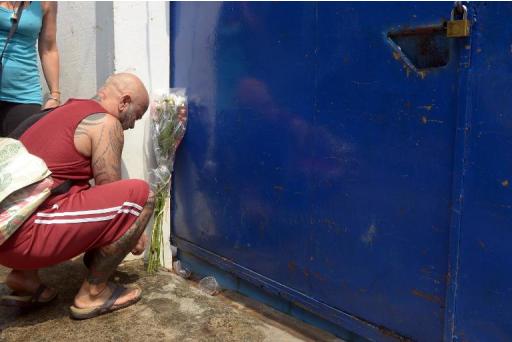
A foreign man lays flowers as he prays in front of a house where a Dutch woman was found stabbed in Phnom Penh on April 30, 2014

Cambodian police said Wednesday they had arrested a man who confessed to the murder of a Dutch woman in a brutal attack that left her two-year-old daughter critically wounded.
Daphna Beerdsen, 31, who worked as a UN consultant in Cambodia, was found stabbed to death at her home on Monday.
Her daughter has been medically evacuated to Thailand for emergency treatment.
"We arrested the perpetrator last night, and we are working to gather more evidence," Phnom Penh deputy police chief Chuon Narin told AFP, declining to provide more details.
Another police official, who asked not to be named because he was not authorised to talk to the media, said the 32-year-old Cambodian man was arrested on Tuesday night at a Buddhist pagoda.
The suspect entered the victim's home in the early hours of Monday and tried to steal a bicycle, he said.
The man has confessed to killing Beerdsen with a screwdriver after she saw him trespassing and called for help, the official said.
The suspect also confessed to stabbing the baby, he added.