A Change of Guard

សូមស្តាប់វិទ្យុសង្គ្រោះជាតិ Please read more Khmer news and listen to CNRP Radio at National Rescue Party. សូមស្តាប់វីទ្យុខ្មែរប៉ុស្តិ៍/Khmer Post Radio.
Follow Khmerization on Facebook/តាមដានខ្មែរូបនីយកម្មតាម Facebook: https://www.facebook.com/khmerization.khmerican

Tuesday, 6 May 2014

Russia Requests Debt Meeting With Foreign Minister Hor Namhong About Debt Owed By Cambodia


"How long can Hun Sen's government survive???"

05.05.2014
Russia Requests Debt Meeting With Foreign Minister
by Kong Sothanarith, VOA Khmer
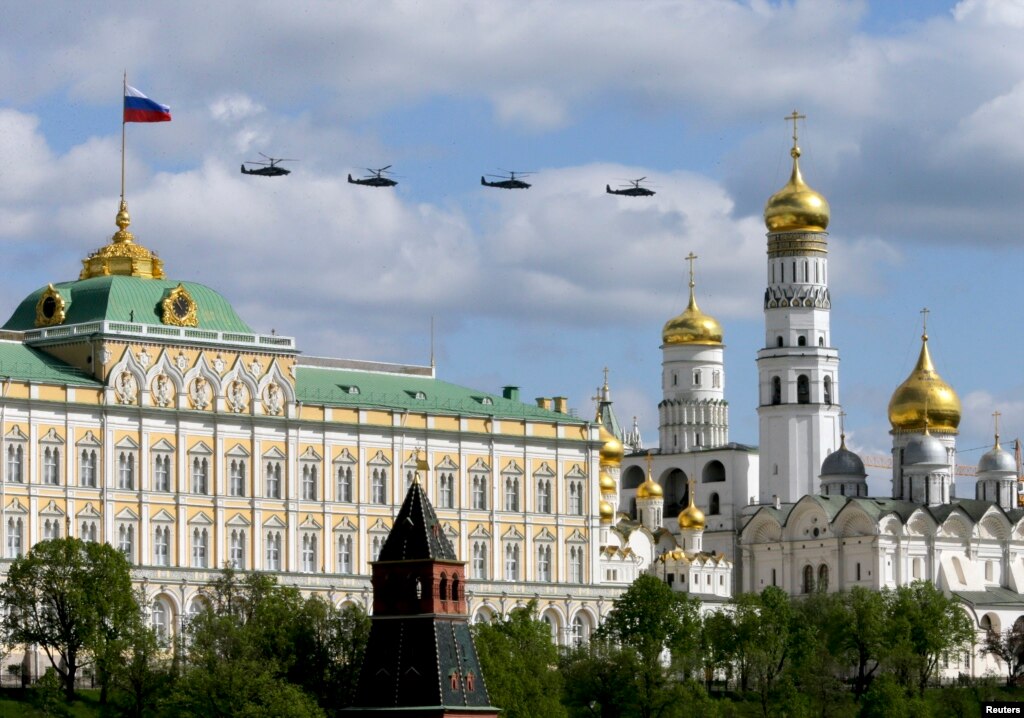
 
Russian military helicopters fly in formation with the Kremlin and the Ivan the Great Bell Tower seen in the foreground, in central Moscow May 3, 2014.
 
Russia’s new ambassador has called on Foreign Minister Hor Namhong to meet about debt owed by Cambodia.
 
Cambodia has in the past requested relief on $1.5 billion it owes Russia, mainly from the purchase of military and other equipment in the 1980s and 1990s, but in the past Russia has refused.
 
Cheam Yiep, who is head of the National Assembly’s finance committee, told VOA Khmer he hopes the new meeting, requested by Ambassador Dmitry Tsvetkov, will allow some relief in exchange for agricultural and industrial products from Cambodia.
 
China recently reduced Cambodia’s debt by $300 million, and the International Monetary Fund recently canceled about $82 million in debt.
 
Cambodia is highly dependent on foreign aid, much of it in loans, and owes up to $4.8 billion to the international community.
 
MONDAY, 05 MAY 2014
ភ្នំពេញប៉ុស្តិ៍
 
ភ្នំពេញៈ ឯកអគ្គរដ្ឋ​ទូតថ្មី​រុស្ស៊ី​ប្រចាំ​កម្ពុជា បាន​លើក​ឡើង​នូវ​បញ្ហា​បំណុល​ដែល​កម្ពុជា បាន​ជំពាក់​អតីត​សហភាព​សូវៀត កាល​ពី​សម័យ​លន់ នល់ ក្នុង​ជំនួប​សម្តែង​ការ​គួរ​សម​ជាមួយ​លោក ហោ ណាំហុង រដ្ឋ​មន្ត្រី​ក្រសួង​ការ​បរទេស​កម្ពុជា កាល​ពី​ព្រឹក​ថ្ងៃ​ចន្ទ​នេះ។ នេះ​បើ​តាម​មន្ត្រី​អ្នក​នាំ​ពាក្យ ក្រសួង​ការ​បរទេស​កម្ពុជា។

SINGAPORE's Nanyang Technological University's programme to train Cambodian officials in public administration, governance

The programme, a collaboration with Cambodia's Ministry of Economy and Finance, will support Phnom Penh's efforts to update its public administration and governance initiatives. 

SINGAPORE: Nanyang Technological University (NTU) and Temasek Foundation have launched a new programme to train senior Cambodian government officials in public administration and governance.
The programme, a collaboration with Cambodia's Ministry of Economy and Finance, will support Phnom Penh's efforts to update its public administration and governance initiatives.
Professor Kwok Kian Woon, NTU Associate Provost (Student Life), said: "Singapore's public governance and administration is one of the key factors that resulted in the country's rapid transformation from third to first world.
"As such, the new training programme tailored especially for senior Cambodian government officials aims to introduce to participants new concepts and applications in the areas of public administration and governance based on the Singapore experience, and to equip them with knowledge and skills to manage change and development."
Temasek Foundation's Chief Executive Officer Benedict Cheong said: "We are excited to partner NTU and Cambodia's Ministry of Finance and Economy in this new initiative.

Monday, 5 May 2014

Hun Sen to visit Russia [Hun Sen is playing one superpower off against the other like what Sihanouk did the in the 1960s that saw America orchestrated a coup d'etat against Sihanouk in 1970 that put Lon Nol in power. This time America might use Tea Banh or Sar Kheng against Hun Sen]

Give our kids a better deal
PHNOM PENH (The Cambodia Herald) – Russia invites some Ministers of Cambodia to visit Russia to sign Memorandum of Understanding on bilateral consultation between the two countries, a government official said. 


The invitation was made during a meeting Monday between Cambodia’s Foreign Minister Hor Namhong and Dmitry Tsvetkov, new Russian Ambassador to Cambodia. 


“Dmitry Tsvetkov invited Hor Namhong and other ministers including Economy Minister Aun Pornmonirath to pay official visit to Russia soon ahead of Prime Minister Hun Sen’s state visit,” said Koy Kuong, spokesman for Ministry of Foreign Affairs and International Cooperation.


Namhong also asked Dmitry Tsvetkov to invite Russian investors to collaborate with Chamber of Commerce to discuss potential investment as well as the trade between the two countries. 


Tsvetkov said that he had discussed with Russian businesspersons before his mission in Cambodia, adding that the Russian investors are interested in investing in Cambodia. 


He said the Russian investors will visit Cambodia, and will meet with the Chamber of Commerce.

CNRP's campaign for municipal election 5/5/14


Post by Srey Na.


Phay Siphan used to call for journalism ethics, but he is unethical by editing a photo of security personnel beating bystanders by writing the CNRP logo at the back [Great photoshop, Mr. Phay Siphan!] ផៃ ស៊ីផានកាត់តរូបភាពកងសន្តិសុខវាយអ្នកជិះម៉ូតូ ដោយដាក់សញ្ញាបក្សសង្រ្គោះជាតិនៅពីក្រោយខ្នង

កាលពីមុនក៏បានសរសេរថាបក្សសង្រ្គោះជាតិបានរៀបចំការវាយបាតុករ បញះសង្ឃនិងអ្នកសារព័ត៌មានហើយទម្លាក់កំហុសលើប្កសប្រជាជន។ In previous post, Phay Siphan wrote that all the beatings of monks, journalists and protesters were committed by the CNRP guards. The left one is the edited photo, while the right one is the real photo showing a security personnel beating a passerby.

Kem Sokha: "I come here to campaign for the election, not to make war!"


Sam Rainsy and Kem Sokha visit Cambodian-Vietnamese border


The lone old lady: They demolished her house, physically kicked her out and sold all her property គេប្លន់ដីគាត់!


Military Stops CNRP Rally in Kompong Cham [All dictators are afraid people power!]

BY  AND  | the cambodia DAILY, MAY 5, 2014
KOMPONG CHAM CITY – Armed soldiers and military police prevented opposition leaders Sam Rainsy and Kem Sokha from leading an election campaign march here Sunday, with the pair instead making brief stump speeches for the May 18 council elections in front of militarized roadblocks and at the CNRP’s provincial offices.
Arriving from Phnom Penh at just after 11 a.m., Mr. Rainsy joined Mr. Sokha and CNRP lawmaker-elect Kuoy Bunroeun at the opposition party’s small offices outside the provincial capital, where a crowd of about 500 supporters had gathered, before leading supporters onto the highway for the city.
Royal Cambodian Armed Forces soldiers loiter near a rifle-mounted jeep behind a roadblock set up by military police in Kompong Cham City on Sunday. (Alex Willemyns/The Cambodia Daily)
In Kompong Cham City, red metal gates supported by a line of military police in formation fenced off each road leading from the town’s central roundabout. Soldiers armed with AK-47 rifles milled about a few meters behind each block, while rifle-mounted SUVs set further back aimed squarely toward the arriving campaigners.
“Our plan was to come this way. Why are you blocking the road?,” Mr. Bunroeun asked the military officer in charge of the roadblock going into the center of the city.
“It’s the orders from the top leaders,” the officer responded.
After a tense five minutes of argument, with Mr. Bunroeun repeatedly insisting to the officer that the campaign be allowed to push past the militarized line, Mr. Sokha emerged from his vehicle to call supporters to withdraw to avoid potential violence.
“The CNRP has not come to make war,” the CNRP vice president shouted to the cheering crowd after the tension had defused.
“This is not the front line. The front line is to the west; it is to confront the yuon who are taking our Cambodian land,” he continued, using a term for the Vietnamese that can be derogatory in some contexts.
Mr. Rainsy then announced that the campaign would move across the Mekong River to the market in Thbong Khmom province’s Suong City. The road to the market had a large police and military police presence, but an absence of soldiers.
Seng Kosal, one of the soldiers who was manning the main block to Kompong Cham City, said the military had deployed to protect a nearby conference.
“We came here to provide security and order and we blocked the road because there is a meeting of leaders in there,” he said. “If there is violence, we will repress.”
“Otherwise, we would allow any party to march through here.”
Chet Mann, the deputy commander of a battalion of the Royal Cambodian Armed Forces in Kompong Cham, denied that any military had been deployed to the area Sunday.

Spotlight on Cambodian Government Brutality

Spotlight on Cambodian Government Brutality
Image Credit: REUTERS/Samrang Pring
Two high profile court cases are poised to throw a spotlight on Cambodia’s hardline internal security apparatus. The first is the trial of 23 activists caught up in protests that left five people dead amid a crackdown on striking garment workers. The second is litigation filed by senior opposition figure Mu Sochua against government officials over their continued use of force against protesters trying to occupy a downtown park.
In the foreground sits a man who has never shied from the court of public opinion or the battleground of striking workers and anti-government protesters. Sok Penhvuth, Deputy Governor of Daun Penh District in the heart of the capital, has overseen the deployment of his men, the beating of civilians, and a ruthless suppression of dissent.
Mu Sochua said the opposition Cambodian National Rescue Party (CNRP) was compiling a case against Sok Penhvuth and charges would include assault and attempted murder charges.
“The National Rescue Party has taken this case to a lawyer for pursuing legal measures,” she said. “We will also ask for administrative punishment by suspending deputy governor Sok Penhvuth from his position.”
She said the deputy governor consistently appears when gatherings are violently suppressed through an extra-legal district security force. That force is officially known as the District Municipal Security Guards (DMSG) and has been responsible for clearing Freedom Park of anti-government protesters using any and all tactics at their disposal.
They were particularly prominent on January 3, when the park was brutally cleared of  protesters who had set-up a base camp as security forces on the outskirts of town battled striking workers, enlisted by the CNRP, resulting in five deaths.
Escalating violence followed an unrelenting anti-government push by the CNRP. It says it was cheated out of an election victory at national polls last July. It has boycotted parliament and demanded fresh elections amid widely disruptive street demonstrations, angering the ruling Cambodian People’s Party (CPP) and long-serving prime minister, Hun Sen.
Instead of seeking an honest appraisal of his floundering political fortunes, Hun Sen preferred a jackboot approach to the opposition and left a bloody trail of dead, wounded and detained.

Google Map changes the name of Cambodia's Democracy Park to Fighting Park! Google Map ផ្លាស់ប្តូរឈ្មោះពីទីលានប្រតប់ប្រតាយមកជាទីលានប្រជាធិបតេយ្យវិញ​

ដោយ៖​ ស៊ុន ណារិន​ | ថ្ងៃចន្ទ ទី5 ខែឧសភា ឆ្នាំ2014, VOD

ផែនទី​របស់​ក្រុមហ៊ុន​Google ដែល​មានឈ្មោះ​ថា​Google Map បាន​ផ្លាស់ប្តូរ​ឈ្មោះ​ពីទីលាន​ប្រតប់ប្រតាយ​(Fighting Park)​ទៅជា​ប្រជាធិបតេយ្យ​វិញ។
មុនម៉ោង២រសៀល ផែនទី​របស់​ក្រុមហ៊ុន​Google បាន​ផ្លាស់ប្តូរ​ឈ្មោះ​ទីលាន​ប្រជាធិបតេយ្យ​នៅ​កម្ពុជា ទៅ​ជា​ទីលាន​ប្រតប់​​ប្រតាយ​(Fighting Park)​។​ តែក្រោយម៉ោង២រសៀល Google Map  បានចាប់ផ្តើមផ្លាស់ប្តូរវិញ។
នៅពេលអ្នកចូលទៅGoogle Map ហើយវាយពាក្យFighting Park អ្នកនឹងនៅ​តែ​ឃើញពា​ក្យសម្គាល់ទីលាន​ប្រតប់​ប្រតាយ​។

ក្រុមហ៊ុន​Google បាន​ផ្លាស់ប្តូរ​ឈ្មោះ​ទីលាន​ប្រជាធិបតេយ្យ​នៅ​កម្ពុជា ទៅ​ជា​ទីលាន​ប្រតប់​​ប្រតាយ​(Fighting Park)​

VOD មិនទាន់​ទទួលបាន​ព័ត៌មាន​ពី​ក្រុមហ៊ុន​Google​ថា​តើ​ការផ្លាស់ប្តូរ​ឈ្មោះ​ទីលាន​ប្រជាធិបតេយ្យ​នេះ មកពី​មូល​ហេតុ​អ្វី និង​ត្រូវបាន​ផ្លាស់ប្តូរ​តាំងពី​ពេលណា​នោះ​ទេ​។
​ការផ្លាស់ប្តូរ​ឈ្មោះ​នេះ បន្ទាប់​ពី​ទីលាន​ប្រជាធិបតេយ្យ បាន​ក្លាយជា​កន្លែង​ចម្រូងចម្រាស់​មួយ និង​ត្រូវបាន​គណបក្ស​សង្គ្រោះ​ជាតិ ហៅថា​ជា​គុក​។ 
​ចាប់តាំងពី​ដើម​ខែ​មករា ឆ្នាំ​២០១៤ ទីលាន​ប្រជាធិបតេយ្យ ត្រូវ​បាន​បិទ​មិន​ឲ្យ​ដំណើរការ ក្រោយពី​មាន​ការផ្ទុះ​ហិង្សា​នៅ​លើ​ផ្លូវ​វ៉េងស្រេង បណ្តាលឲ្យ​មនុស្ស​យ៉ាងតិច​៤​នាក់​ស្លាប់ និង​ជា​ច្រើន​នាក់​រងរបួស​។ រដ្ឋាភិបាល លើកឡើងថា ទីលាន​ប្រជាធិបតេយ្យ នឹង​ត្រូវ​បិទ​បណ្តោះអាសន្ន ដើម្បី​បើក​ការស៊ើបអង្កេត​។​

ទីលានប្រជាធិបតេយ្យបច្ចុប្បន្ន ត្រូវបានហ៊ុំព័ទ្ធដោយលួសបន្លា

​រហូតមកដល់​ពេលនេះ ទីលាន​ប្រជាធិបតេយ្យ ត្រូវ​បាន​បិទ ដោយ​ដាក់រ​នាំ​បន្លា​លួស ដើម្បី​កុំឲ្យ​ក្រុម​អ្នក តវ៉ា និង​គណ
បក្ស​សង្គ្រោះ​ជាតិ ធ្វើ​ការជួបជុំ​ប្រឆាំង​នឹង​រដ្ឋាភិបាល​។​
​អ្នកខ្លះ ហៅ​ទីលាន​ប្រជាធិបតេយ្យ​(Democratic Park)​ថា​ជា​ទីលាន​សេរីភាព​(Freedom Park)​។ សាលា​រាជធានី​ភ្នំពេញ បាន​ដាក់​សម្ពោធ​ដាក់ឲ្យ​ប្រើប្រាស់​ជា​ផ្លូវការ​ទីលាន​ប្រជាធិបតេយ្យ ដែល​មាន​ទីតាំង នៅ​ខាងលិច​ស្ពាន​នាគ ក្នុង​សង្កាត់​វត្តភ្នំ ខណ្ឌដូនពេញ រាជធានី​ភ្នំពេញ កាលពី​ថ្ងៃ​ទី​០៤ ខែវិច្ឆិកា ឆ្នាំ​២០១០ ក្រោម​អធិបតីភាព​របស់​អតីត​អភិបាល​លោក​កែប ជុតិមា​។​ទីលាន​ប្រជាធិបតេយ្យ ជា​កន្លែង ដែល​ប្រជាពលរដ្ឋ អាច​ប្រមូលផ្តុំ និង​បញ្ចេញមតិ​បាន​៕
​សរសេរ​មកកាន់ លោក ស៊ុន ណារិន តាមរយៈ​sun_narin@vodhotnews.com

Cambodia's bloggerati fear new internet law

By Zsombor Peter | Al Jazeera
Phnom Penh, Cambodia - Once a week, Ou Ritthy and a circle of young, like-minded netizens pick a shop from the capital's burgeoning selection of trendy cafés and come together to debate the latest apps, gadgets, social media trends - and politics.
One of Cambodia's best-known bloggers, Ritthy has been hosting this "politikoffee" since 2011.
He described the crowd as "a group of young, enthusiastic and social media-savvy Cambodians who love sociopolitical and economic discussion", and "believe in liberal democracy prevailing in Cambodia by enhancing discussion and debate".
With their help, that debate is moving increasingly online. The Ministry of Post and Telecommunications recently said 3.8 million of the country's roughly 15 million people were using the Internet in 2013, a 42.7 percent jump from the previous year. In 2011, Internet useskyrocketed  more than 500 percent.
But a leaked draft of the government's Cybercrime Law has bloggers such as those in Ritthy's group worried that Prime Minister Hun Sen and his long-ruling Cambodian People's Party (CPP) are cutting off one of the last remaining outlets for political debate in the country.
"If this draft law is passed, my peers and I will be more cautious with our political expression despite the fact that we have never defamed or abused any ruling official," Ritthy told Al Jazeera. "E-democracy has just [been] born in Cambodia, but this cyber law will be undermining its process."
'Hindering integrity'
The 16-page draft lays out penalties for everything from computer fraud to online spying and child pornography.
But what its critics fear most is Article 28, which would make it illegal to publish any content seen to "hinder the sovereignty and integrity" of the country, "incite or instigate the general population", or "generate insecurity, instability and political [in]cohesiveness". It would ban any content deemed "non-factual which slanders or undermine[s] the integrity of any government agencies", or is damaging to the country's "moral and cultural values".

Ministry calls for journalists’ safety amid recent violence

Give our kids a better deal 
A foreign reporter was chased and beaten by security forces in an unprovoked attack.

PHNOM PENH (The Cambodia Herald) – The Ministry of Information condemned recent insult, threat and violence against journalists, saying that those activities seriously violated the freedom of press in Cambodia. 

The appeal was made after many journalists were recently threatened and seriously injured in an attack by security forces, while they were collecting information near the Freedom Park. The equipments of the journalists were destroyed and seized. 

In a statement issued on Sunday, the ministry appealed to protesters as well as authorities, police and security forces to fully implement their duties by ensuring the journalists’ safety. 

It appealed to the national and international journalists to implement their professional duties, and respect the measure prepared by police forces. 

It also asked all relevant sides to work together by implementing freedom in accordance with democracy and multi-party procedure, and especially for the journalist who have to provide news for national and international public. 

Some journalists were threatened and suffered from violence committed by protesters or con-people as well as police officers who didn’t implement their duties, the statement added.

- See more at: http://www.thecambodiaherald.com/cambodia/detail/1?page=15&token=ZDBjMGEwOWI0YmQ#sthash.WVZiBPiZ.dpuf

Lowell man writes of genocide in native Cambodia

click image to enlarge
Seng Ty poses with his self-published book, “The Years of Zero, Coming of Age Under the Khmer Rouge.”
David H. Brow/Lowell Sun
By HIROKO SATO-Associated Press Sunday, May 4, 2014 

LOWELL, Mass. (AP) - The moon would rise above the muddy Cambodian rice paddies just when Seng Ty thought he had nothing left in his body to pull weeds out.
The Angkar, or the “organization” as the Khmer Communist Party called itself, was merciless. The communists running the labor camp wanted children to work extra hours when there was moonlight. They would tie up children and beat them to death if they complained. So, then-9-year-old Ty would drag his exhausted body back to the fields for more work.
Then, for the first time in the day, Ty would break his silence - to the stars.
“Even with those children who were sleeping next to me and eating with me, I couldn’t communicate,” Ty said of the fearful atmosphere at the camp. “The stars were the only things I could tell what happened,” Ty said. “I pretended (the bright star) was my mother and she was watching and guiding me.”
He would vow to the stars: He would survive - and, one day, would tell the world what he went through in the killing fields where children’s corpses floated in the canals.
Nearly four decades later, Ty kept his promise by publishing a book: “The Years of Zero, Coming of age under the Khmer Rouge.”
Ty, a 46-year-old guidance counselor at Stoklosa Middle School in Lowell, was only 8 when the Khmer Rouge tortured his physician to death. His mother would soon die from overwork, followed by the deaths of seven of his 10 brothers and sisters who were tortured, starved or fell ill.
As an orphan, he ended up in the agricultural labor camp near a Thailand border. Standing in the ankle-deep water that filled the rice paddies, Ty would tend the fields from sunrise to sundown. The Angkar, who hated intellectuals, would often beat Ty for being light-skinned and looking like a rich boy.
Living only on two bowls of rice a day, many children fell ill and died. The Angkar would throw their bodies into irrigation ditches.
Ty would collect anything alive, from insects to frogs, and hide them in the field. Sometimes, the Angkar would catch him sneaking out to collect the food at night and beat him up in front of other children. But Ty didn’t stop hiding food.
“For me, at the time, (I felt) I would rather die with my stomach full of food,” Ty said.
Ty was freed from the labor camp in 1979 when Vietnamese forces invaded Cambodia. After living on the streets of Phnom Penh and in a refugee camp in ThailandTy would find his permanent home in Massachusetts in 1982 when Marlena Brown, a preschool teacher and the wife of a former diplomat from Amherst, decided to adopt the 14-year-old boy whom she saw in a photograph that appeared in Time magazine featuring the “Children of War” earlier that year.
Ty had tried to put together his stories into a book before. In “Out of the Killing Fields,” which he self-published in 2005, he explained how the Khmer Rouge’s brutal regime destroyed his family and devastated his homeland. Ty only made a few copies of the book, however, knowing he needed to polish the writing. That effort culminated in “The Years of Zero.”

Dave Walker found dead at Cambodia temple months after vanishing from guest house


A body believed to be that of missing Canadian Dave Walker is seen in a jungle at the famed Angkor complex in Siem Reap province on May 1.
YOU VONG/AFP/Getty ImagesA body believed to be that of missing Canadian Dave Walker is seen in a jungle at the famed Angkor complex in Siem Reap province on May 1.
Files
FilesDave Walker is shown in this undated handout photo.
The family of Dave Walker, a Canadian filmmaker who went missing in Cambodia in February, says he was found dead Thursday.
A statement issued on behalf of Walker’s family says his body was reportedly discovered by a child at the Angkor Wat temples in Siem Reap, Cambodia.
Cambodian law enforcement officials told the family it appeared Walker had died several weeks ago
The statement says a doctor at the site was unable to determine a cause of death and an autopsy will be held to try to determine how and when Walker died.
Walker, who was 58, had been living in Cambodia for the past year and a half. He was staying at a guest house when he stepped out while a housekeeper tended to his room and was not seen again.
Animist Farm Films
Animist Farm Films
Dave Walker was last seen when he left his guest house in the northwest city of Siem Reap. He left behind his laptop, phone and passport.

Alberta man who went missing in Cambodia may have been ‘silenced’ over film about war criminals, friend says

Canadian officials said Wednesday they were working with Cambodian authorities to try to find an Edmonton filmmaker and journalist who disappeared in the country late last week.
Dave Walker has not been seen since he left his guesthouse in the northwest city of Siem Reap on Friday afternoon. He left behind his laptop, phone and passport. Cambodian police are investigating.
The disappearance baffled family and friends, who said Walker spoke the language, knew the streets and was familiar with the local culture.
Walker and a partner had set up a film company in Siem Reap in July 2012 called Animist Farm Films. They had recently been working on a documentary about the Khmer Rouge regime, which left close to two million people dead.
Walker grew up in Edmonton but last lived in Toronto, where he studied for a Master’s degree at York University in 2009. His family said he has lived and worked in Southeast Asia on and off for years.
He also co-authored a non-fiction book, called Hello My Big Big Honey, which chronicles the experiences of Bangkok bar girls and their Western admirers.

Human Rights Watch Calls On Cambodia To Withdraw Fundamentally Flawed Judiciary Laws

The secrecy surrounding the draft laws has not hidden the fact that they would effectively allow a takeover of the courts by the government and the CPP. Promises of judicial reform to donors will remain a cynical joke until the government sets up a truly independent body to appoint judges and oversee the judiciary.
Brad Adams, Asia director

Donors Should Demand Real Reforms for Judicial Independence
MAY 4, 2014
(New York) – The Cambodian government should withdraw three draft laws on the judiciary that undermine judicial independence protected by the constitution and international law, Human Rights Watch said today. Cambodia’s donors should publicly oppose the drafts, which would further entrench Prime Minister Hun Sen’s government’s control over Cambodia’s courts. The laws could be taken up by the National Assembly as early as May 5, 2014.
The proposed laws put the minister of justice at the center of all key decision-making by the judiciary and by the Supreme Council of the Magistracy (SCM), the body charged with appointing, disciplining, and overseeing the country’s judicial system.
This would give the government effective control over the judicial branch, depriving it of its independence. Cambodia’s 1993 Constitution, consistent with international law, guarantees that the judiciary “shall be an independent power” and that “[t]he Legislative, Executive, and the Judicial powers shall be separated.”
“The Cambodian government has made annual promises to the Cambodian people and donors to take steps to establish an independent judiciary, but has utterly failed to keep them,” said Brad Adams, Asia director. “By enacting laws empowering the justice minister over the judiciary’s ruling body, Hun Sen can formalize his de facto power over the courts. If these laws pass, it is farewell to any hopes of judicial reform.”
The government of the ruling Cambodian People’s Party (CPP) has for more than two decades used its control of Cambodia’s courts as a tool for political purposes. The courts are notoriously corrupt, lack competence, and have frequently tried and sentenced activists, journalists, and political opponents after unfair trials, which has been criticized by Cambodian lawyers, United Nations human rights experts, local and international organizations, and foreign donors.
The draft laws sent to the National Assembly are the Law on the Organization and Conduct of the Supreme Council of the Magistracy (the SCM Law), the Law on the Statute of the Magistracy, and the Law on the Organization of Court Organs. The SCM Law would replace a 1994 law that failed to protect judicial independence from government and CPP control over the courts. The latter two laws should only be submitted to the National Assembly after a proper SCM Law is enacted.

Cambodian judiciary under further threat

Cambodia's draft laws on the judiciary is raising concerns that they will further entrench government control and influence of the courts.
The proposed laws, drafted in secret, give the Justice minister control over all key decisions by the Cambodian judiciary and also, the body charged with appointing, disciplining and overseeing of judges.
If passed, the laws will undermine judicial independence which is protected by Cambodia's constitution and international law.
Presenter: Sen Lam
Speaker: David Chandler, Professor Emeritus of History at Monash University.
CHANDLER: They're angered by what seems to them a tightening up of government control over the judiciary. Well, there's no indication that there's any possibility of loosening government control under the old regulations or under anything else. The judiciary has never been independent in Cambodia, has always been tied to the Executive, which, of course, is if you want to get an ancestry for that, that's the French system, where the Minister of Interior is tied in with the justice system. But it's never been independent and this is upsetting, as it's  been combined with  large,  wide scale corruption. These people are underpaid, they have to answer to government pressures, they make quite a lot of harsh and dangerous political judgements on political issues as they're told to do by the ruling party. But yes, there were disturbing aspects to what seems to be the draft laws, but I think the whole situation is disturbing and it's just one more example of how distressing the judicial system in Cambodia is.
 
LAM: As you say, there already is great political control over the judiciary in Cambodia, but might the new draft laws make a bad situation even worse?
 
CHANDLER:  It's hard to say, I don't see how you could make the situation much worse. It just makes it a little more efficient and they can say this is how it works. But I mean..
 
LAM: So as far as you're concerned, there are positive things about these new draft laws?
 
CHANDLER: No, I don't see anything positive about it, except for the general bureaucratic things, like they're cleaning up some ambiguities and I think the idea that the Minister of Justice should be responsible for the judiciary, what they're objecting to in the Human Rights Watch is the Minister of Justice is a very political job, is given to him by the ruling party. But on paper, it looks as if that's the person who should be in charge. I mean this is what the Attorney-General is in charge of the federal judiciary in the United States and so on. I mean it looks like it's a reform, but it's probably just cleaning up some ambiguous language.
 
LAM: So in essence, what do you think exactly is the Hun Sen government aiming to do with these new draft laws?
 
CHANDLER: They'll just make sure that they can keep their control, that it's completely unthreatened... 
 
Another point to be raised here is, of course, the place where this draft law discussed is in the National Assembly, but the Opposition Party has for reasons that still elude me have refused to take up the seats they won in that election, so they're not in a position to debate this law and may be that's an issue, but I think there's no forum for this law to be debated in any case. They are a minority party and the party that is not in power does not have the same voice as those in power, it's the same that is true here. But if they refuse to take any seats, they can't open any debates and they can't claim that they're part of the government and I think it's a betrayal of their voters. They're voters wanted these people to be in the National Assembly and 55 at least of them, at least 55 of them won seats. They say that they won the whole election and so on and we don't have evidence of that and they would have been unable to govern the country in any case if they won the election. But that's a point to be raised on this issue is that it should be debated in the Parliament, but Hun Sen is just riding roughshod over that, because it doesn't distress him that these people aren't there.

Sunday, 4 May 2014

Three Vietnamese accused of illegal digging out buried treasure at Battambang Bridge under protection from authority យួនបានចូល មកជីករកកំណប់នៅគល់ស្ពានកណ្តាលក្រុងបាត់ដំបង

Watch the first videos here.


ប្រជា​ពល​រដ្ឋ​​រាប់​​រយ​នាក់​​ លើកគ្នា​​បណ្តេញ​​ក្រុម​​អ្នក​ជីក​​កំណប់​​​នៅ​ក្បែរ​រូបសំ​ណា​កតោ​ថ្ម ​ក្បាល​ស្ពា​​​នថ្ម​ចាស់​​មុខសា​លា​ខេត្ត​​​បាត់​​ដំបង 

បញ្ចូលអត្ថបទ ៖ ច័ន្ធូ (កោះសន្តិភាព) ថ្ងៃសៅរ៏ ទី៣ ខែឧសភា ឆ្នាំ២០១៤ 

ប្រជាពលរដ្ឋ​កំពុង​​ឡោម​ព័ទ្ធ​​ទី​​តាំង​ជីក​កំណប់​​ កោះសន្តិភាព ប្រជាពលរដ្ឋ​កំពុង​​ឡោម​ព័ទ្ធ​​ទី​​តាំង​ជីក​កំណប់​​ ខេត្ត​បាត់ដំបង​​ ៖ បន្ទាប់ឮព័ត៌មាន​​ថា មាន​មនុស្ស​មួយ​ក្រុម​កំពុ​ងជីកដីកាយ​​រ​កកំណ​ប់ ​នៅ​ក្បែររូប​សំណា​ក​តោ​​ថ្ម ​​​ក្បាល​ស្ពាន​ថ្ម​ចាស់​ត្រើយ​​ខាងលិច ខា​ងមុខ​​​សាលា​ខេត្តបា​ត់ដំបងនោះ ក្រុមប្រជា​ពល​រដ្ឋ​​រាប់​រយ​នាក់ បាន​លើក​​គ្នាទៅ​​​បណ្តេញ​​ក្រុម​អ្នក​ជីក​កំណប់​​រត់​បាត​ជើង​​សព្រាត​ កាល​ពី​វេលា​ម៉ោង​​១២និង​៣០​នាទី​ថ្ងៃត្រង់​ថ្ងៃទី​​០៣ ឧសភា ដោយ​បន្សល់ទុក​​សម្ភារជីកកំណប់មួយ​​ចំនួន និង​ទាម​ទារ​​ឱ្យ​អាជ្ញាធរ​​ចេញ​​មក​ដោះ​ស្រាយ​​បញ្ហានេះ ។ 
សេចក្តីរាយការណ៍​បន្តថា មក​ដល់​វេលា​​ម៉ោង​​៣​រសៀល​​ មិនទាន់​​មាន​តំណាង​អាជ្ញាធរ​ណា​ម្នាក់ចុះ​មក​​នោះទេ ខណៈ​​មន្ទីរ​សាធារ​ណការ​​ចង់​លុប​​រណ្តៅ​​​ជីក​កំណប់​​ តែ​​ប្រជា​​ពលរដ្ឋ​​រារាំង​​ និង​​កំពុង​​ឡោម​​ព័ទ្ធ​​ទី​តាំង​ជីក​​កំណប់​​​នោះ ដើម្បី​​សុំ​​ឱ្យ​​អាជ្ញាធរ​​ជួយ​បកស្រាយ ។ គួរ​រំលឹកថា មាន​​មនុស្ស​មួយ​ក្រុម​កំពុ​ងជីករ​កកំណ​ប់ ​នៅ​ក្បែររូប​សំណា​ក​តោ​​ថ្ម ​​​ក្បាល​ស្ពាន​ថ្ម​ចាស់​ត្រើយ​​ខាងលិច ខា​ងមុខ​​​សាលា​ខេត្តបា​ត់ដំបង ​ដែល​ដឹក​​នាំ​ដោយ​មន្រ្តីយោ​ធាមួយ​ក្រុ​​ម ដោយ​អះ​អាងថា​​ មា​ន​ការ​អនុញ្ញាត​​ពី​លោកអ​ភិបាល​ខេត្ត ​​និង​​​​មាន​សមត្ថ​កិច្ចចាំ​ការពារ​ផង​​ ។ 
បើតាម​ប្រធាន​បច្ចេក​ទេស​​ក្រុម​ហ៊ុនសំណង់​ម្នាក់ ដែល​​ពុំ​ប្រាប់​​ឈ្មោះខ្លួន​​ឯង​​និង​ឈ្មោះ​​ក្រុម​ហ៊ុន បាន​ឱ្យដឹង​ថា ការ​ជីក​ដី​ក្បែររូប​សំណា​ក​តោ​​ថ្មនេះ​ គឺ​​ដើម្បី​ស្វែង​រក​កំណប់​​ ដោយ​​​មានការ​អនុញ្ញាត​​ពីលោក​អភិបាល​ខេត្ត និង​សមត្ថកិច្ច​ចុះ​ត្រួត​ពិនិត្យ​ផងដែរ ។ ព័ត៌មាន​លម្អិតនឹងមាន​ផ្សាយជូន​នៅលើទំព័រ​កាសែត​កោះសន្តិភាព​

The government mobilises troops during the municipal election. Is there any internal crack within the ruling CPP? ការចល័តទ័ពរបស់រដ្ឋាភិបាលផ្តាច់ការ


CNRP's municipal election campaign in Kampong Cham 4/5/14 ក្បួនយុទ្ធនាការឃោសនាបោះឆ្នោតអសកល ជ្រើសរើសក្រុមប្រឹក្សា រាជធានី ខេត្ត ក្រុងស្រុក ខណ្ឌ គណបក្សសង្រ្គោះជាតិខេត្តកំពង់ចាម ០៤/០៥/២០១៤