A Change of Guard

សូមស្តាប់វិទ្យុសង្គ្រោះជាតិ Please read more Khmer news and listen to CNRP Radio at National Rescue Party. សូមស្តាប់វីទ្យុខ្មែរប៉ុស្តិ៍/Khmer Post Radio.
Follow Khmerization on Facebook/តាមដានខ្មែរូបនីយកម្មតាម Facebook: https://www.facebook.com/khmerization.khmerican

Wednesday, 8 February 2012

Displaced: The Cambodian Diaspora

Pete Pin—Magnum Foundation
Bronx, New York City, September 2011.

Sunny Vaahn, 25, holds the refugee identification card of his family members, which was given upon initial entry into a refugee camp along the Thai-Cambodian border following the end of the Killing Fields in Cambodia.

As a son of the Killing Fields born in 1982 in the refugee camp to which my family had fled following the Cambodian genocide, I have struggled for most of my life to understand the legacy of my people. Over the last year, I engaged in a series of conversations with Cambodian-Americans about our history and the complexity of their experience while photographing community members in Philadelphia, Pa.; Lowell, Mass. and the Bronx, N.Y.

The Cambodian people are among the most heavily traumatized people in modern memory. They are the human aftermath of a cultural, political, and economic revolution by the Khmer Rouge that killed an estimated two million, nearly a third of the entire population, within a span of four years from 1975-1979. The entire backbone of society—educated professionals, artists, musicians and monks—were systematically executed in a brutal attempt to transform the entirety of Cambodian society to a classless rural collective of peasants. That tragedy casts a long shadow on the lives of Cambodians. It bleeds generationally, manifesting itself subtly within my own family in ways that I am only starting to fully comprehend as an adult. It is ingrained in the sorrow of my grandmother’s eyes; it is sown in the furrows of my parents’ faces. This is my inheritance; this is what it means to be Cambodian.

After surviving the Killing Fields, my family, along with hundreds of thousands of survivors, risked their lives trekking through the Khmer-Rouge-controlled jungle to reach a refugee camp in Thailand. There, my mother had what she believes to be a prophetic dream. In a field, an entire city’s worth of women were clawing with their bare hands in bloodstained dirt searching for an elusive diamond. To the disbelief of everyone in the dream, she serendipitously stumbled upon it wrapped in a blanket of dirt. The following day she discovered she was pregnant with me. The significance of this didn’t dawn on me until I started photographing this project. It was a vision of hope and renewal, that we as Cambodians are endowed with an incredible resilience and strength in human spirit. I have seen this in the faces of Cambodians I have photographed and have been incredibly humbled. In the words of my mother, it is a miracle to simply exist.

As a result of the unique demographic circumstances of the genocide, there has been a paucity of reflection within the Cambodian community. Many second-generation Cambodians I have interviewed learned about the Killing Fields through secondary sources, from the Internet and documentary films. Such conversations were non-existent at home. Exacerbating the silence is an inter-generational language barrier; most young Cambodian Americans cannot speak Khmer, the Cambodian language, while their parents and grandparents are incapable of speaking English. As a result, we are the literal manifestation of Pol Pot’s attempt to erase Cambodia’s history and culture. However, in spite of this void, there exists a growing movement of young and empowered Cambodians—academics, artists, musicians, and activists—who are trying to bridge this generational chasm.

For months, the senior surviving leaders of the Khmer Rouge have been tried for crimes against humanity, war crimes and genocide in Cambodia by a United-Nations-backed international tribunal that was established in 2006. Over half a decade later, and at a cost of an estimated $200 million, the court has prosecuted only one individual, Kaing Guek Eav, known as Duch, who presided over the execution of more than 16,000 in Cambodia’s most infamous prison. On Feb. 3, the tribunal extended his sentencing to life in prison. In spite of this ruling, the court is on the verge of collapse because of corruption and a lack of political will by the government to proceed beyond the trials of only the highest ranking surviving leaders of the Khmer Rouge. This is heartbreaking. I asked my mother how she felt about this: she responded, almost tearfully, that this in and of itself could never take back her suffering. Many Cambodians I have spoken with in the course of photographing this project have echoed this sentiment. But I am convinced that justice and healing must emerge from the collective will of my people.

Pete Pin is a Cambodian-American documentary photographer based in Brooklyn, N.Y. He was a Fellow at the Magnum Foundation Emergency Fund, which supported the Bronx portion of his long-term project on the Cambodian diaspora. More of his work can be seen here.

Thailand to boost ties with neighbours: Foreign Minister


BANGKOK, Feb 7 (MCOT)- Thai Foreign Minister Surapong Tovichakchaikul (pictured) on Tuesday reaffirmed that Thailand will focus on strengthening relations and cooperation with its neighbouring countries as stated as the government's urgent policy.

The foreign minister emphasised strategic policy implementation as he chaired a meeting of Thai envoys and consuls general posted in the country's five neighbouring countries--Myanmar, Lao PDR, Cambodia, Vietnam and Malaysia.

He urged the Thai diplomats to adhere to the government's urgent policy which places importance on fostering relations with the neighbouring countries.

Regarding overall relations between the kingdom and its neighbours, the foreign minister said he saw them as having gradually improved, particularly on bilateral cooperation on several issues.

The minister cited the improved relations between Thailand and Cambodia after documents on the border conflict were distributed to local residents to create better understanding, while the talks on the border dispute are also underway at various levels.

Ties between Thailand and Cambodia deteriorated following the border dispute centred on Preah Vihear temple and related sporadic clashes. Tensions flared up when Cambodia submitted a sole request to list the ancient temple as a World Heritage Site and then urged the International Court of Justice to provide a new interpretation of its 1962 ruling.

Mr Surapong stated that relations with Cambodia are now improving, and Thailand is focusing on trade and resolving human trafficking problems.

Regarding the help to secure the release of Thai activists Veera Somkwamkid and Ratree Pipattanapaiboon, now detained in a Cambodian jail for espionage, the minister said no progress has been made as they must serve at least one-third of their sentences first.

Mr Surapong said the ministry also planned to enhance border trade and open special economic zones to facilitate trade at the borders.

The planned special economic areas that the foreign minister referred to will be located in Mae Sot district in Tak province and Tak Bai, Sungai Kolok, and Wang districts of Narathiwat province. The latter intends to link Thailand with Malaysia's Kelantan State.

Prime Minister Yingluck Shinawatra discussed with the neighbouring countries' leaders when she officially visited them, suggesting that the current temporary border crossings should be developed into permanent ones and that the border crossing areas should be expanded to facilitate easier border crossing, according to Mr Surapong.

Mr Surapong said the establishment of distribution centres between Thailand and neighbours will pave the way for the ASEAN Economic Community in 2015.

The foreign ministry and the interior ministry will also sign a Memorandum of Understanding to allow Thais living overseas to apply or extend their identity cards without returning to the kingdom as part of the diplomatic mission to facilitate Thais living aboard. (MCOT online news)

Cambodia Plans to Start Offshore Oil Production This Year

By Rakteem Katakey and Supunnabul Suwannakij
Feb 7, 2012

Cambodia plans to start oil production in the offshore Block A by the end of this year, said Deputy Prime Minister Sok An.

The country is reviewing the field operator Chevron Corp. (CVX)’s offshore production license this year, Sok An said at an energy conference in Bangkok today. The company found oil and gas in waters off the country in 2005, he said.

Tuesday, 7 February 2012

Buddhist monks and UNICEF join to improve the lives of vulnerable families


VIDEO: UNICEF correspondent RobMcBride reports on efforts made by Buddhist monks to support families affected by HIV in Cambodia. Watch in RealPlayer

By Rob McBride

PHNOM PENH, Cambodia, 6 February 2012 – Cheng Sophea dropped to the ground with her son and bowed in a gesture of respect as Khun Khat arrived at her home in Kampong Speu Province, several hours outside Phnom Penh.

Ms. Cheng was diagnosed with HIV in 2002, and a year later her husband died of an AIDS-related illness. Since then, Khun Khat, a monk, has visited regularly, offering invaluable support as the 34-year-old mother comes to terms with the challenges of living with HIV while raising her 11-year-old son, Seung Panha.

“Sophea has had a lot of challenges in her life,” said Khun Khat, “but we’re advising her, and others, how to live and how to carry on.”

His assistance is part of the Buddhist Leadership Initiative (BLI), a UNICEF-supported programme that enlists the help and resources of pagodas – which wield considerable influence in this devoutly Buddhist country – to support adults and children living with or affected by HIV. Read the rest of the article at UNICEF.org.

China, Cambodia vow to further promote strategic partnership


Jia Qinglin (R), chairman of the National Committee of the Chinese People's Political Consultative Conference, meets with Hor Nam hong, Cambodian deputy prime minister and minister of foreign affairs and international cooperation, in Beijing, capital of China, Feb. 6, 2012. (Xinhua/Li Tao)

BEIJING, Feb. 6 (Xinhua) -- China and Cambodia on Monday vowed to further promote their ties in a meeting between top political advisor Jia Qinglin and Cambodian Deputy Prime Minister and Foreign Minister Hor Nam hong.

"China attaches high importance to its comprehensive strategic partnership of cooperation with Cambodia, and will continue to deepen bilateral substantial cooperation so as to benefit both sides," said Jia, chairman of the National Committee of the Chinese People's Political Consultative Conference (CPPCC).

He spoke highly of the development of bilateral relations, citing frequent high-level visits, strengthened mutual political trust and fruitful substantial cooperation as some of the achievements made in the area.

Jia said China appreciates Cambodia's firm adherence to the one-China policy and steady support for China on issues involving Tibet, Xinjiang and other major issues.

"Cambodia is a good friend indeed, a friend that China trusts and relies on," Jia said.

Hor Nam hong also praised the development of Cambodia-China relations in recent years. He thanked China for its assistance in Cambodia's social and economic development.

Hor Nam hong vowed to work with China to strengthen friendly exchanges and deepen bilateral cooperation so as to bring their comprehensive strategic partnership to a new high.

Jia also spoke positively of the strategic partnership between China and the Association of Southeast Asian Nations (ASEAN), as well as the important role ASEAN has played in promoting east Asian cooperation.

Jia said China is ready to join hands with all ASEAN countries, including Cambodia, to continue to contribute to the region's peace, stability and prosperity.

Hor Nam hong said Cambodia will help promote ASEAN-China ties and east Asian cooperation.

Earlier Monday, Foreign Minister Yang Jiechi held talks with Hor Nam hong, during which the two sides agreed to enhance coordination to promote China-ASEAN ties and cooperation in East Asia.

Later Monday afternoon, Hor Nam hong also met with senior legislator Lu Yongxiang, vice-chairman of the Standing Committee of the National People's Congress (NPC), China's top legislative body.

Hor Nam hong was invited by Yang to visit China from Feb. 5 to 7.

Eight die in Cambodia anti-tank mine blast


A mangled tractor and trailer was all that remained after two anti-tank mines killed eight people on Friday in Banteay Meanchey. Courtesy of PPPost

Bangkok Post 3 Feb 2012

Eight Cambodian farmers were killed and one was critically injured on Friday after their truck hit two old anti-tank mines in northwestern Cambodia, police said.

"Seven people died on the spot. One man passed away later in hospital. The driver is in critical condition," Malai district police chief Sao Bun said after the blast on a cassava farm in Banteay Meanchey province.

"Because of heavy rainfall recently, the land became soft and when they drove across the farm they hit two anti-tank mines stacked on top of each other," he told AFP, adding that two other landmines had been found on the grounds in the past four years.

The police chief was unable to give the ages of the victims but they are thought to include at least three teenagers.

Nearly three decades of civil war have left impoverished Cambodia one of the world's most heavily mined countries.

In 2011, leftover landmines and other unexploded ordnance killed 43 people and caused 168 injuries, including 33 amputations, according to official statistics.

Japan to host four-day cultural festival


Published: 06-Feb-12

PHNOM PENH (Cambodia Herald) - Japan plans to host a four-day cultural festival in Phnom Penh this month to introduce traditional and modern Japanese culture to Cambodian audiences, the Japanese embassy said Monday.

The festival's opening at the Cambodia-Japan Cooperation Center on February 16 will be highlighted by a performance by traditional Japanese band Aun in collaboration with Cambodian musicians, a statement said.

Another highlight will be the premiere of the Japanese movie “We can not change the world. But we wanna build a school in Cambodia”, based on the real-life experience of a Japanese student who built a school in Cambodia.

Japanese group Ram Wire will perform at the festival on February 18, the embassy said, adding that other features would include demonstrations of karate and kendo, cinema, a Honda awards ceremony, a Japanese speech contest, lectures by Japanese scholars, flower arrangement, origami, mochitsuki and a science show.

Monday, 6 February 2012

SRP accuses ruling CPP of election vote-buying

Meas Sokchea and Bridget Di Certo
Monday, 06 February 2012
The Phnom Penh Post

In the wake of what the opposition Sam Rainsy Party has called unprecedented gains in the senate election, the party has said that “virtually every SRP councillor” was approached by ruling Cambodian People’s Party officials attempting to buy their vote in the election, a party statement issued yesterday said.

The statement said that in Kandal province, where Prime Minister Hun Sen lives and votes, SRP councillors were offered US$5,000 a vote to swing their support to the CPP.

“Many forms of intimidation were also used to frighten the opposition into voting for the CPP,” the statement said, adding that “virtually every SRP councillor in all provinces was approached by CPP officials and offered between $500 and $5,000 to sell their votes to the ruling party”.

The premier has publicly thanked the 179 SRP councillors he says voted for his party, despite the SRP’s allegations of rampant bribery including one taped vote-buying attempt in Battambang province.
SRP spokesman Yim Sovann said that SRP gains in the senate election were a taste of what was to come in the upcoming commune elections if the CPP continued to walk a “dangerous political line”.

“[The CPP] is persecuting people with forced evictions and land grabbing,” he said. “SRP’s political platform is related to gains in agriculture, health and generating employment, which the government so far has not been able to do.”

CPP senior lawmaker Cheam Yeap, said that SRP gains were not the result of corresponding CPP losses.

“The place where Sam Rainsy took senate seats is from the Norodom Ranariddh Party,” Cheam Yeap said, referring to the current political party of Hun Sen’s former co-prime minister Prince Norodom Ranariddh.

“It is not the loyalty or confidence from people,” he said.

“This is [Norodom Ranariddh’s] fortune that he has not received support from people.”

Cheam Yeap added that the senate competition for seats was between the CPP and SRP, and while the CPP garnered an additional 797 votes, the SRP lost 179 votes. Official results of the senate elections have not been made public.

Investment in SEZs up 683%

Sieam Bunthy
Monday, 06 February 2012
The Phnom Penh Post

The total values for investment projects in Cambodia’s Special Economic Zones (SEZ) increased about 683 per cent year-on-year in 2011, according to a report from the Council for the Development of Cambodia.

The CDC approved 39 projects worth US$715.25 million in 2011. It was a 683.83 per cent hike compared with 2010’s figures, which totalled 22 investment projects worth $91.25 million.

The CDC report revealed that between 2006 and 2011, Cambodia’s SEZs received 96 investment projects worth $1.15 billion, which created jobs for 61,400 workers.

Several of the 2011 investments included electric equipment assemblers, something hailed by economists as Cambodia’s ascent up the manufacturing value chain.

Japan’s Marunix, a supplier of electronic parts to companies such as Sony, IBM and Canon, set up an assembly plant in the Phnom Penh Special Economic Zone last year, according to the CDC report.

Japan’s Sumi Wiring Systems Co Ltd also invested in Phnom Penh’s SEZ last year.

While SEZs near Phnom Penh and Sihanoukville have seen considerable investment since the Kingdom began developing the areas in 2005, the majority of the SEZs – situated on the Thai and Vietnamese borders – have not attracted substantial industry developments. Cambodia has 21 of the preferential tax zones.

Speaking at a seminar to promote SEZ development last week, General Secretary for CDC Sok Chenda Sophea said that SEZ investment has grown because of improving political, economic and social stability, coupled with skilled labourers, low prices, and the government’s efforts to encourage further investments.

“Cambodian investment law is open and encouraging to investors, in addition to offering benefits in the Cambodian markets,” he said, adding that current SEZ investors came primarily from Japan and China.

Nguon Meng Tech, general director of Cambodia’s Ministry of Commerce, said that the government had established the SEZs in order to attract investors to Cambodia, especially at border gates.

“They wanted to invest in those [border] areas because it was easier to do business, and because of the tax exemption in those regions,” he said.

He added that the SEZs attracting the most attention were primarily in Phnom Penh and Preah Sihanouk province, while in other distant border areas there was less investment due to bad infrastructure and problems with electricity.

Nguon Meng Tech said he remained hopeful of further development at more the more distant SEZs, given last year’s high investment rate.

“Although drawing attention to SEZs along the border will take time, these areas do have their advantages, and the government will establish infrastructure and electricity works in the near future,” he said.

China, Cambodia Vow to Further Promote Strategic Partnership

2012-02-06
Xinhua Web Editor: yangyang66

China and Cambodia on Monday vowed to further promote their ties in a meeting between top political advisor Jia Qinglin and Cambodian Deputy Prime Minister and Foreign Minister Hor Nam hong.

"China attaches high importance to its comprehensive strategic partnership of cooperation with Cambodia, and will continue to deepen bilateral substantial cooperation so as to benefit both sides," said Jia, chairman of the National Committee of the Chinese People's Political Consultative Conference (CPPCC).

He spoke highly of the development of bilateral relations, citing frequent high-level visits, strengthened mutual political trust and fruitful substantial cooperation as some of the achievements made in the area.

Jia said China appreciates Cambodia's firm adherence to the one-China policy and steady support for China on issues involving Tibet, Xinjiang and other major issues.

"Cambodia is a good friend indeed, a friend that China trusts and relies on," Jia said.

Hor Nam hong also praised the development of Cambodia-China relations in recent years. He thanked China for its assistance in Cambodia's social and economic development.

Hor Nam hong vowed to work with China to strengthen friendly exchanges and deepen bilateral cooperation so as to bring their comprehensive strategic partnership to a new high.

Jia also spoke positively of the strategic partnership between China and the Association of Southeast Asian Nations (ASEAN), as well as the important role ASEAN has played in promoting east Asian cooperation.

Jia said China is ready to join hands with all ASEAN countries, including Cambodia, to continue to contribute to the region's peace, stability and prosperity.

Hor Nam hong said Cambodia will help promote ASEAN-China ties and east Asian cooperation.

Hor Nam hong was invited by Foreign Minister Yang Jiechi to visit China from Feb. 5 to 7.

We should not judge Hun Sen by his words, but by his conducts and his practices

By True Khmer

Re: Hun Sen accused Pen Sovan of being a Vietnamese agent

The Free Khmer Movement was a fake device created by Hanoi to catch Khmer patriots who survived the killing fields and hid behind Hanoi-installed government. With this clever trap, Hanoi arrested, eliminated and killed so many Khmer nationalists who wanted to free Cambodia from its occupation between 1980-1985 by sending them to Vietnam as state diplomats or as students.

A few weeks after their return to Cambodia, they got sick and died without reasons. Many people believed that they were poisoned. No one care about those who were killed by Hanoi. At that time we were about 4 millions and the world was a dark and different world, divided by the mighty superpowers US and USSR (The Soviet Union). Cambodia was just a small pawn for the USSR and a treasure-case for Hanoi...

Hun Sen was probably tested again and again by Hanoi and found to be a pure and naive one who was willing to obey Hanoi guidelines that is why he was chosen to be its puppet. He was only 27 years old in 1979 and at that time he was the world youngest and most stupid foreign minister. He knew nothing about politics.

Hun Sen did not even know what the UN was for while he was put in his position as Foreign Minister. It was the same situation with Heng Sanrin and Chea Sim. That was true....Some said that Heng Samrin, before 1970, used to be a cow-thief in his 0wn district in Kaset, Svay Rieng province... He got no proper job or farmland, he was really poor.

I believe you can imagine how a poor farmer who got no experiences in life and politics suddenly was put to be a head of state or a minister? What a sudden change in luck?

If Hun Sen is not Hanoi's puppet, why did he put two Khmer farmers (Meas Srey and Prom Chea), who lost their farmland to Hanoi' encroachment in Svay Rieng, in jail for two years? Is it logic? Why did Hun Sen sentenced Sam Rainsy behind closed-door to 10 years imprisonment because Sam Rainsy was just trying to defend our land that was illegally encroached by Hanoi?

Look at Hun Sen's policy now. The majority of important economic assets, such as farmland, mineral exploitations and banking businesses are in Hanoi's control (concession) for 99 years. Even Angkor Wat and the armed forces are run by Hanoi's agents, such as Tea Banh and Sok Kong.

Have Hun Sen and his clans realized that Cambodia is going to be flooded by Viet immigration? So far, not a single illegal Viet has been repatriated back to Vietnam yet, but Hun Sen had repatriated Khmer Krom monks and Khmer Krom people, who was simply just tried to fight for their freedom of speech and livelihood in their indigenous land, back to Hanoi to put in jail ?.

Are all the above cases not enough to prove Hun Sen's betrayal?

We should not judge a man by his words, but by his conducts and his practices.

Pen Sovan's response to Hun sen's accuastion in an interview with Khmer Post Radio


Earlier last week, Prime Minister Hun Sen accused former Prime Minister Pen Sovan of being a Vietnamese agent. Today, through an interview with the Khmer Post, Pen Sovan had a chance to respond to that accusation.

Click on the control below to listen to the interview:
Click here to download the audio program in MP3

For additional reports by the Khmer Post, click here

Don’t call it a ‘coup’, premier [Hun Sen] says

Friday, 03 February 2012
Vong Sokheng
The Phnom Penh Post

Sam Rainsy Party spokesman Yim Sovann said the SRP considers the events of 1997 a coup led by CPP.

Prime Minister Hun Sen yesterday once again warned his one-time rivals and present party officials not to refer to the bloody factional clashes that took place in Phnom Penh over July 5-6, 1997, and left the Cambodian People’s Party with a stranglehold on power, as a coup.

Speaking to police officials at the Police Academy School in Kandal province’s Kean Svay district, the premier addressed audience members Serey Kosal, Ly Thuch and Keang Vang, who at the time were senior military officials in royalist party Funcinpec.

The three defected to the CPP after the 2008 elections.

“Do not accuse me of leading a coup,” said Hun Sen, adding that officials had to be careful of their comments because of the video evidence that CPP troops had taken at the time.

In 1997, troops loyal to then Second Prime Minister Hun Sen and First Prime Minister Prince Norodom Ranariddh, who led Funcinpec, engaged in a fierce street battle in Phnom Penh.

CPP troops emerged the victor, and Prince Norodom Ranariddh went into exile in France.

The Hun Sen-led CPP has won every subsequent election.

Deputy prime minister and secretary general of Funcinpec Nhek Bunchhay could not be reached for comment.

Sam Rainsy Party spokesman Yim Sovann said the SRP considers the events of 1997 a coup led by CPP.

Mass invasion of the alien swamp monsters!


Out of America: The US loves movies about bizarre creatures wreaking havoc. Now it's got them for real

By Rupert Cornwell the Independent 5 February 2012

America has a huge immigration problem. I don't mean the human one from south of the Rio Grande that so exercises the Republican party this election season. I'm talking about immigrants with scales, fins, feathers, flowers and leaves – invasive animal and plant species from the four corners of the globe that by various means, accidental and deliberate, have found their way into the country. Today, they're everywhere.

The big news last week on the invasive species front was the plague of Burmese pythons in southern Florida. The problem isn't new; the snakes, up to 15ft long, have been occasionally popping up in back-garden swimming pools almost ever since the first ones were released into the wild years ago by bored owners. Americans, it would appear, have a thing about exotic snakes. An estimated 11 million are kept as pets, part of a business worth some $2bn annually. Inevitably, some have tired of them and just let them go. It seemed a harmless and humane way of disposing of an unwanted pet. After all, snakes can look after themselves, can't they?

Indeed they can. The pythons have not only thrived, they are slaughtering the wildlife of the Everglades, the vast area of subtropical wetlands west and south-west of Miami which is one of the most remarkable ecosystems in the country. But for how much longer? The alien snakes have formed a solid breeding population, and are eating virtually everything that moves – even attacking the odd alligator.

How Tolyka Saly overcame a troubled past to help kids in need


06 Feb, 2012
The Melbourne Weekly

WHEN Tolyka Saly (pictured) says he feels like he lives three separate lives, he isn’t exaggerating.

The sharply-dressed fashion designer spends his mornings and weekends helping young tennis stars to hone their game. Just a couple of months ago he was rolling up his sleeves to build a secondary school in his home country of Cambodia.

Saly’s brother Koky set up an initiative to build schools in Cambodia almost seven years ago. Baby Tree Projects aims to give children the same opportunities the brothers had growing up in Australia. The name was chosen as a metaphor for helping the country grow, from the roots up.

A small army of volunteers raise money and come together in Cambodia to build new schools. “The volunteers see exactly where all the money is going,” Saly, 38, says. “It’s very liberating and people are amazed at how much they can do to help. Each person discovers certain things about themselves because you live in the village with no power or running water; you have to become like farmers.”

Saly says all the Cambodian children he has encountered say the same thing: they just want to go to school.

“They really want to learn and make a future for themselves,” he says. “They have journeys too; they just don’t have opportunities or someone to help them. They know there is a whole world out there.”

Few of the clients at Saly’s upmarket South Yarra suit store could ever imagine the hardship the well-spoken young man endured in order to flee war-torn Cambodia in the late 1970s.

Saly, his parents and eight siblings were forced to leave home with nothing but the clothes they were wearing, and were one of thousands of families who walked to the Thailand border to escape the Pol Pot regime.

Saly’s older sister died on the journey, the children were separated and his parents were captured and taken to separate concentration camps. Somehow the family managed to reunite and migrate to Australia when Saly was five.

Growing up in the suburb of Broadmeadows, Saly credits his strong family ties and close friends for keeping him on the right path. Following on from his older siblings, Saly first picked up a tennis racquet at age 11 and taught himself to be one of the state’s most promising junior players.

Saly secretly travelled by train to big tournaments around the state because his family didn’t have enough money to support his talent.

“I had to work a lot harder than the other kids,” he says. “But that taught me my philosophy now as a tennis coach: never give up. You have to work hard to get what you want.”

In the same vein as his work for Baby Tree Projects, Saly offers free coaching for underprivileged kids with potential.

“I always thought that if I had someone like myself who took me under their wing, who knows, I could have turned professional,” he reflects.

“But I also see that as a positive because it taught me to be the person that I am.”

Saly’s ultimate dream is to set up a tennis academy in Cambodia and provide scholarships for students to travel to Australia to study and play tennis.

“I’ve always been a simple person and never really needed much,” he says. “Working in Cambodia just makes me appreciate what I have so much more.”

[Thailand's] STC ploughs its way into Cambodia


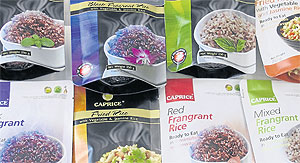
Top: A number of factors ranging from lower global demand to higher local prices have conspired to threaten Thai rice exports this year, says Mr Wanlop. Photos by WALAILAK KEERATIPIPATPONG

Bottom: STC has added ready-to-eat varieties in retort pouches to cater to the local market.

Joint venture to help reduce local risk

Published: 6/02/2012
Writer: Walailak Keeratipipatpong
Bangkok Post

STC Group, Thailand's biggest rice exporter, has become the latest company to explore rice investment opportunities in Cambodia.

Talks to form a venture with a Cambodian partner, which have started since last year, are likely to be finalised some time this year, an executive said.

"The venture will focus on rice processing, logistics and rice exports from Cambodia," said Wanlop Pichpongsa, deputy managing director of Capital Rice Co, STC Group's rice-exporting flagship.

STC is among several Thai investors seeking to enter the thriving rice industry of Cambodia, whose government has planned to export about one million tonnes over the next few years.

Among the prominent companies are Asia Golden Rice, a leading rice exporter which has announced to pour in 1.5 billion baht to process one million tonnes of rice a year in Cambodia's southern province of Kampot.

"Actually, Cambodia's rice industry has strong potential thanks to its naturally rich soil. The country has a number of millers and processing plants but they are not enough."

Most paddy is sold to be processed in Vietnam for exports and Mr Wanlop said the joint investment could help Cambodia earn more than exporting the rice in commodity form.

The development is seen as a win-win business. While Cambodia still wants expertise in rice processing and marketing, some Thai exporters need to broaden their businesses to minimise risks locally. Thai rice exports are projected to drop sharply this year due to dwindling global demand and uncompetitive prices.

The Thai Rice Exporters Association also said the high paddy price offered under the current rice-pledging programme has eroded the competitiveness of Thai rice.

These factors would push down Thai rice exports this year to only 7 million tonnes, a 30% drop from 10.6 million tonnes shipped in 2011.

"In particular, less demand from Indonesia and Bangladesh is a factor that causes the decline," said Mr Wanlop, also the secretary-general of the association.

Indonesia imported more than 900,000 tonnes of rice from Thailand last year, a 230% jump year-on-year, while Bangladesh bought 736,782 tonnes, up 422% over the levels in 2011.

STC was a major beneficiary of the large orders from the two countries, catapulting it to the top spot in the exporters' rankings in 2011, with a total of 2.02 million tonnes shipped, or 19% of the 10.6 million tonnes the country exported last year.

But such a bonanza is unlikely to repeat his year as production in Indonesia and Bangladesh is rising, resulting in smaller imports, he noted.

The Food Agriculture Organisation forecasts the 2012 world rice output will rise 2.46% from last year to 461.44 million tonnes of paddy. Production from Indonesia and Bangladesh would increase by 5% and 2% to 37 million and 34 million tonnes of paddy respectively.

Consequently, world rice trade this year is expected at 32.8 million tonnes, down from 34.5 million tonnes in 2011.

Whether India would continue to export after completing sales of two million tonnes in the first quarter of this year is a condition that will affect the performance of Thai rice exports, he said.

India offered low selling prices at an average of US$433 a tonne for 5%-grade white rice, compared with $533 a tonne of Thai rice. India's 5%-grade parboiled rice was sold at $450 a tonne, about $100 lower than of the premium grade of Thai parboiled rice.

But there is a chance to see bullish trade in the first half this year, driven by possible large orders from Nigeria, Thailand's biggest rice buyer which bought 1.54 million tonnes of rice in 2011.

According to Mr Wanlop, the Nigerian government will likely increase the levy on rice imports in July, triggering a rush to import the commodity in the first half.

Besides expanding business to neighbouring country, STC has planned to complete the 500-million-baht improvement of its two rice-processing facilities in Ayutthaya and Samut Prakan provinces this year.

The project would enable the group to maintain a 18-19% share in the country's exports. Besides, it will focus more on retail sales by adding ready-to-eat rice products in retort pouches after its fragrant and organic rice products received a good market response, with about 40,000 tonnes in local sales.

PRICE-SUPPORT POLICY NEEDED TO PROTECT CAMBODIAN FARMERS


PRICE-SUPPORT POLICY NEEDED TO PROTECT CAMBODIAN FARMERS

Opposition leader Sam Rainsy last week wrote to The Cambodia Daily the following letter:

"In your January 31 article titled “Thais Ask Cambodia To Curb Cassava Exports” (page 25) you exposed problems encountered by Cambodian farmers struggling with falling cassava prices. You pointed to Thailand’s request that Cambodia restricts its exports of the agricultural produce but you didn’t explain why the neighboring country is entitled to do so.

Contrary to the Cambodian government, which abandons farmers to market price fluctuations and leaves them in a desperate situation, the Thai government has been steadily following a socially oriented policy that consists of supporting and stabilizing agricultural prices so as to protect their farmers’ revenue and living conditions.

Every year the Thai government spends millions, if not billions, of dollars to buy cassava (or tapioca), rice, maize and palm oil under a well known agricultural intervention scheme and it exports, at a loss in times of falling prices, those agricultural products in a bid to prop up domestic prices.

The Thai government is actually subsidizing Thai farmers through a costly price-support mechanism. Understandably, they want to reserve the benefits of its price-support policy for Thai farmers only. This is the reason why they restrict access to the Thai market for many Cambodian farm products for which there could be a huge price differential between the two countries.

Many countries all over the world are doing the same as Thailand regarding their agriculture and trade policies. The moral is that Cambodia actually needs a responsible and caring government to implement appropriate policies because, more than anyone else, vulnerable Cambodian farmers deserve support and protection.

Sam Rainsy
Elected Member of Parliament
Former Minister of Finance

Sunday, 5 February 2012

Hun Sen accused Pen Sovan of being a Vietnamese agent

By Khmerization
Source: RFA

Prime Minister Hun Sen (pictured) has launched a scathing attack on former Prime Minister Pen Sovan, who he had personally ousted and arrested in 1981, and accused him of being a very close confidant of Hanoi.

Hun Sen and Pen Sovan are bitter rivals and Mr. Pen Sovan has on numerous occasions accused Mr. Hun Sen of personally leading a group of Vietnamese soldiers to surround his house, toppled him as prime minister, arrested him and sent him to Hanoi Prison for 10 years.

Now, Mr. Hun Sen has hit back, accusing Pen Sovan of being a communist who served Vietnam since his childhood. "And he claimed to be the father of "7th January" and claimed that he is a patriot who is opposed to Vietnam. When did he oppose Vietnam? The Vietnamese government took him to Vietnam and raised him since 1959, since after the Geneva Conference (1954). Hey, how can he talk like that?", said Hun Sen.

Speaking during an inauguration of a public building, Mr. Hun Sen jibed Pen Sovan as being a person who has no real career who cannot get along with other Khmer leaders, including himself, who was then foreign minister, Mr. Heng Samrin, who was the president of the presidium and Mr. Chea Sim, who was the Minister of Interior.

He had accused Mr. Pen Sovan of leading raids on the houses of many top leaders when Pen Sovan was prime minister because he suspected other Khmer leaders of being anti-Vietnam.

Speaking in front of Gen. Neang Phat, the current Secretary of State in the Interior Ministry, Mr. Hun Sen said: "Phat, you were there also, right? And you have raided the house of Brother Chea Sim too, right? And the house of Brother Heng Samrin and my house was almost raided also. See? He (Pen Sovan) had done such horrible thing. He was sacked (as PM in 1981) and that's why he was arrested. Now I want to talk a little bit about the "7th January". He was the Defence Minister, but has no soldier at all to command. This animal has not even one soldier to command and he said that Brother Chea Sim, Brother Heng Samrin was his foot soldier (during the resistance movement from 1977-1978). Now, I want to talk about a past secret: this contemptible (Pen Sovan) was a lieutenant (2 stripes) in the Vietnamese (Vietcong) Army!".

Pen Sovan was sacked, arrested and put in a jail in Hanoi for 10 years in 1981 because of his criticism of Vietnam and because he had political differences with Vietnam when he was prime minister and defence minister.

In response to Hun Sen's accusation, Pen Sovan said that the Vietnamese government did not take him to Vietnam and raised him in the 1960s. He was sent, along with about 100 other young men, by the Revolutionary Party of Cambodia to undertake political studies in Vietnam.

Mr. Pen Sovan is now the current vice president of the Human Rights Party, whose president is Mr. Kem Sokha.

Referring to the "7th January", the date of Vietnam's intervention in Cambodia in 1979, Pen Sovan said: "My view and that of Mr. Kem Sokha's is the same, that 7th January was the date of the ouster of the Khmer Rouge regime. It was a date when the Khmer people had escaped from the Khmer Rouge genocidal regime. But we opposed 7th January because Vietnam had used the opportunity to help Khmers in order to put Cambodia under its control. This is what I opposed", he said.

In response to Mr. Hun Sen's accusation that he ordered the raids on the houses of Khmer leaders, he said it was because the Vietnamese experts/advisors in Cambodia did not trust any Cambodian leaders because many Khmer leaders were not happy with the presence of Vietnamese Army as well as Vietnamese immigrants in Cambodia. "At that time, Chea Sim was also opposed to the Vietnamese. He wanted to form his own separate armed forces. After the Vietnamese knew it, they created a fake Free Khmer Movement (to find out who is really anti-Vietnamese). At that time, the Foreign Ministry of Mr. Hun sen had also joined the fake Free Khmer Movement. People in every ministry and department had also joined the fake Free Khmer Movement. At that time they (the Vietnamese) carried out the arrests everywhere", said Pen Sovan.

Mr. Pen Sovan added that in the 1980s, Vietnam had created a fake Free Khmer Movement in order to find out who were loyal to Vietnam and were anti-Vietnam. He said that when Khmer freedom fighters created a Free Khmer Movement along the Khmer-Thai border, Vietnam had also created a fake Free Khmer Movement inside Cambodia and that many Khmers had fallen into this trap. "The Vietnamese ambition is that they wanted to find out who were the Khmer freedom fighters and the Khmer nationalists who were against Vietnam. So, the Vietnamese had created a (fake Free Khmer) movement from Camp 007 to Nong Chan Camp and they arrested the people in Phnom Penh (who joined the fake movement). Especially, they arrested the people from every ministry and department because at that time many Khmers were against the Vietnamese occupation, so when they heard about a Free Khmer Movement or a Khmer nationalist movement, they joined them to oppose the Vietnamese (occupation)", he said.

Read article in Khmer below:

--------------------------------
លោក ហ៊ុន សែន ចោទ​លោក ប៉ែន សុវណ្ណ ថា​ជា​មនុស្ស​របស់​វៀតណាម
ដោយ​ វោហារ ជាតិ
2012-02-03

លោក ហ៊ុន សែន បាន​ចោទ​លោក ប៉ែន សុវណ្ណ អតីត​នាយករដ្ឋមន្ត្រី​ក្នុង​ពេល​វៀតណាម កាន់កាប់​កម្ពុជា ក្នុង​ទសវត្សរ៍ ៨០ ថា ជា​មនុស្ស​ជំនិត​របស់​ទីក្រុង​ហាណូយ។

RFA/Sok Serey

១៥-មិថុនា-២០១១៖ លោក​នាយករដ្ឋមន្ត្រី ហ៊ុន សែន ថ្លែង​ក្នុង​ឱកាស​ចែក​សញ្ញាបត្រ​ដល់​និស្សិត​នៅ​សាកលវិទ្យាល័យ​វិទ្យាសាស្ត្រ​សុខាភិបាល រាជធានី​ភ្នំពេញ។

បញ្ហា​វៀតណាម នៅ​តែ​ជា​ប្រធាន​បទ​ក្ដៅ​ដដែល​ចំពោះ​អ្នក​នយោបាយ​ខ្មែរ​លើក​យក​មក​បន្តុះ​បង្អាប់ និង​ចោទ​ដាក់​គ្នា​ទៅវិញ​ទៅ​មក​តាំង​ពី​ជំនាន់​មុន​មក​ដល់​ជំនាន់​នេះ។ ជា​ពិសេស បញ្ហា​នេះ​បាន​កើត​មាន​ឡើង​យ៉ាង​ញឹក​ញាប់ និង​ក្ដៅ​គគុក​ក្នុង​របប​នយោបាយ​ខ្មែរ​គ្រប់​អាណត្តិ ចាប់​តាំង​ពី​ឆ្នាំ​១៩៧៩ នៅ​ពេល​កង​ទ័ព​វៀតណាម ចូល​មក​ប្រទេស​កម្ពុជា វាយ​ផ្ដួល​រំលំ​របប​ប្រល័យ​ពូជ​សាសន៍ ប៉ុល ពត មក​ទល់​ឆ្នាំ​២០១២​នេះ។

ជា​ថ្មី​ម្ដង​ទៀត លោក​នាយករដ្ឋមន្ត្រី ហ៊ុន សែន បាន​រិះគន់​លោក ប៉ែន សុវណ្ណ អតីត​នាយករដ្ឋមន្ត្រី​​ក្នុង​របប​សាធារណរដ្ឋ​ប្រជាមានិត​កម្ពុជា យ៉ាង​ចាស់​ដៃ​ថា លោក ប៉ែន សុវណ្ណ ជា​អ្នក​តស៊ូ​កុម្មុយនិស្ត​ខ្មែរ​ម្នាក់ បម្រើ​ឲ្យ​កុម្មុយនិស្ត​វៀតណាម តាំង​ពី​នៅ​តូច​ម្ល៉េះ តែ​ធ្វើ​ជា​ដើរ​តួ​ប្រឆាំង​វៀតណាម។

លោក ហ៊ុន សែន៖ «ហើយ​តាំង​ខ្លួន​ជា​បិតា ៧ មករា ហើយ​អី​ថា គេ​ហ្នឹង​ស្នេហា​ជាតិ គេ​ប្រឆាំង​វៀតណាម។ ប្រឆាំង​វៀតណាម​អី? វៀតណាម​យក​ទៅ​ចិញ្ចឹម​តាំង​ពី​ក្រោយ​ឆ្នាំ ៥៩ ក្រោយ​សន្និសីទ​ហ្សឺណែវ អី? ហេ! កោត​តែ​ចេះ​និយាយ​ទៅ​រួច!»។

ថ្លែង​នៅ​ក្នុង​ពិធី​សម្ពោធ​អាគារ​មួយ​នៅ​ក្រសួង​មហា​ផ្ទៃ នៅ​ថ្ងៃ​ទី​២ កុម្ភៈ លោក ហ៊ុន សែន បាន​អះអាង​ថា លោក ប៉ែន សុវណ្ណ ជា​អ្នក​ដឹកនាំ​មិន​មាន​អាជីព និង​មិន​ចុះសម្រុង​នឹង​ថ្នាក់​ដឹក​ខ្មែរ​ដែល​មាន​រូប​លោក​កាល​នោះ​ជា​រដ្ឋមន្ត្រី​ក្រសួង​ការបរទេស លោក ហេង សំរិន ប្រធាន​រដ្ឋ និង​លោក ជា ស៊ីម ជា​រដ្ឋមន្ត្រី​ក្រសួង​មហាផ្ទៃ។

លោក​បាន​រំលឹក​ថា នៅ​ពេល​នោះ លោក ប៉ែន សុវណ្ណ បាន​ដឹក​នាំ​កម្លាំង​ទៅ​ឆែកឆេរ​ផ្ទះ​អ្នក​ដឹក​នាំ​ខ្មែរ​កំពូល​ៗ​ដោយ​សង្ស័យ​ថា បាន​បង្កើត​កម្លាំង​ប្រឆាំង​វៀតណាម ដែល​​មាន​វត្តមាន​លោក នាង ផាត ដែល​បច្ចុប្បន្ន​ជា​ឧត្ដមសេនីយ៍​យោធា​មួយ​រូប​ចូល​រួម​ផង។

លោក ហ៊ុន សែន៖ «ផាត ឯង​មិន​ទៅ​ដែរ ហើយ​មិន​ឆែក​ផ្ទះ​បង ជា ស៊ីម ដែរ? ហើយ​ផ្ទះ​បង ហេង សំរិន ទៀត ប៊ិះ​ផ្ទះ​ខ្ញុំ​ទៀត​ថ្ងៃ​នោះ។ នែ! លេង​ដល់​ថ្នាក់​ហ្នឹង បាន​គេ​ដេញ​ចោល បាន​គេ​ចាប់​នោះ។ អា​រឿង​ហ្នឹង​និយាយ​តិច​ទៅ​ចុះ បិតា ៧ មករា​នោះ ហើយ​មក​ធ្វើ​រដ្ឋមន្ត្រី​ក្រសួង​ការ​ពារ​ជាតិ អត់​មាន​ទាហាន​មួយ​គ្រាប់​ទេ​អា​សត្វ​ហ្នឹង ហើយ​ចេះ​តែ​ថា ខ្ញុំ បង ហេង សំរិន បង ជា ស៊ីម ធ្វើ​ជា​ទាហាន​វា​ទៀត​ណាស់ វា​ឆ្ងាញ់​អា​ត្រង់​ហ្នឹង។ និយាយ​បន្តិច​ទៅចុះ​រឿង​អាថ៌​កំបាំង​ជាន់​ដើម។ អា​ហ្នឹង​ពាក់​សក្ដិ ២ កង​ទ័ព​វៀតណាម​តើ!»។

លោក ប៉ែន សុវណ្ណ ត្រូវ​បាន​វៀតណាម ចាប់​ដាក់​គុក​នៅ​ទី​ក្រុង​ហាណូយ ឆ្នាំ​១៩៨១ ដោយសារ​រិះគន់ និង​ជំទាស់​នយោបាយ​វៀតណាម ក្នុង​ពេល​លោក​មាន​តំណែង​ជា​នាយករដ្ឋមន្ត្រី និង​រដ្ឋមន្ត្រី​ក្រសួង​ការពារ​ជាតិ។ ជាង ១០​ឆ្នាំ​ក្រោយ​មក លោក​ត្រូវ​ដោះ​លែង​វិញ។ បច្ចុប្បន្ន​លោក​ធ្វើ​នយោបាយ​ជាមួយ​បក្ស​សិទ្ធិ​មនុស្ស របស់​លោក កឹម សុខា ដែល​ដែល​ជា​រឿយៗ​តែង​​រិះគន់​លោក​នាយករដ្ឋមន្ត្រី និង​បក្ស​ប្រជាជន​កម្ពុជា។ តែ​លោក​នាយ​រដ្ឋមន្ត្រី​បាន​រិះគន់​តប​វិញ​ថា លោក ប៉ែន សុវណ្ណ ធ្វើ​នយោបាយ​ប្រឆាំង​វៀតណាម បែរ​ជា​យក​ប្រពន្ធ​ជនជាតិ​វៀតណាម។

ឆ្លើយ​តប​នឹង​ពាក្យ​ចោទ​ប្រកាន់​ដែល​ថា វៀតណាម​បាន​យក​លោក​​ទៅ​​ចិញ្ចឹម​តាំង​ពី​មុន​ទសវត្សរ៍ ៦០ នោះ។ លោក ប៉ែន សុវណ្ណ បាន​ឆ្លើយ​ថា លោក​បាន​ទៅ​រៀន​នយោបាយ​នៅ​វៀតណាម​មែន តែ​បក្ស​ប្រជាជន​បដិវត្តន៍​កម្ពុជា បញ្ជូន​ទៅ​ទេ។ លោក​រំលឹក​ថា កាល​នោះ​មាន​កូន​ខ្មែរ​ក្មេងៗ​ប្រហែល ១០០​នាក់ ត្រូវ​បាន​បញ្ជូន​ទៅ​រៀន​ជាមួយ​លោក។

ចំពោះ​ទស្សនៈ ៧ មករា វិញ លោក​យល់​ឃើញ​ផ្ទុយ​ពី​លោក​នាយករដ្ឋមន្ត្រី ដូច្នេះ​ហើយ​ទើប​លោក​សម្រេច​ចិត្ត​ចូល​រួម​ជាមួយ​គណបក្ស​សិទ្ធិ​មនុស្ស៖ «ទស្សនៈ​របស់​ខ្ញុំ និង កឹម សុខា អត់​ខុស​គ្នា​ទេ ដូចគ្នា​ត្រង់​ថា ៧ មករា ខ្មែរ​ក្រហម​​ដួល​រលំ ហើយ​ថ្ងៃ​ហ្នឹង​ប្រជាពលរដ្ឋ​កម្ពុជា រួច​ចាក​ផុត​ពី​របប​ប្រល័យ​ពូជ​សាសន៍។ ប៉ុន្តែ​ប្រឆាំង ៧ មករា ដោយ​យួន​ឆ្លៀត​ឱកាស​ជួយ​ខ្មែរ​ដើម្បី​យក​ទឹក​ដី​ខ្មែរ​ត្រួតត្រា​ក្រោម​កណ្ដាប់​ដៃ​របស់​យួន។ អា​ហ្នឹង​ដែល​ខ្ញុំ​ប្រឆាំង»។

ទាក់ទង​រឿង​ឆែក​ផ្ទះ​អ្នក​ដឹក​ដែល​លោក ហ៊ុន សែន បាន​លើក​ឡើង​នោះ លោក ប៉ែន សុវណ្ណ រំលឹក​ថា កាល​នោះ​ជំនាញការ​វៀតណាម មិន​ទុក​ខ្មែរ​ទេ ហើយ​មាន​ផែនការ​វែក​មុខ​អ្នក​ដែល​ប្រឆាំង​វៀតណាម ព្រោះ​ថា មាន​មន្ត្រី​ខ្មែរ​ជា​ច្រើន​ដែល​មិន​ពេញ​ចិត្ត​វត្តមាន​កងទ័ព និង​អន្តោប្រវេសន៍​ វៀតណាម ​នៅ​លើ​ទឹក​ដី​ខ្មែរ។

លោក ប៉ែន សុវណ្ណ៖ «ដល់​ពេល​ហ្នឹង​លោក ជា ស៊ីម កាល​នោះ​ក៏​មាន​គំនិត​ប្រឆាំង​យួន​ដែរ។ គាត់​ចង់​កសាង​កម្លាំង​​ប្រដាប់​អាវុធ​របស់​គាត់​ដោយ​ឡែក​នៅ​មុខ​កំពូល ហើយ​ដល់​យួន​ឃើញ​អ៊ីចឹង គេ​បង្កើត​សេរីកា ក្រសួង​ការបរទេស​របស់ ហ៊ុន សែន ក៏​មាន​ដែរ គ្រប់​ក្រសួង​មន្ទីរ​ពួក​សេរីកា​ទាំង​អស់ ហើយ​កាល​ហ្នឹង​ចាប់​ពាយ​តែម្ដង»។

លោក ប៉ែន សុវណ្ណ ដែល​ជា​កូន​ចៅ​អ្នក​តាកែវ កើត​នៅ​ឆ្នាំ​១៩៣៦ ហើយ​ចូល​បក្ស​កុម្មុយនិស្ត​តាម​រយៈ តា ម៉ុក ក្នុង​ទសវត្សរ៍ ៥០ បាន​រំលឹក​ដែរ​ថា នៅ​ទសវត្សរ៍​ឆ្នាំ​៨០ វៀតណាម​ក៏​បាន​បង្កើត​ចលនា​តស៊ូ​ក្លែង​ក្លាយ ដើម្បី​​វែក​មុខ​រក​អ្នក​ស្មោះ​ត្រង់ ​និង​អ្នក​ក្បត់​វៀតណាម​ដែរ។ លោក​ថា នៅ​ពេល​ដែល​ក្រុម​ខ្មែរ​តស៊ូ​នៅ​ជំរំ​ព្រំដែន​ថៃ បង្កើត​ចលនា​នេះ​ចូល​នៅ​ក្នុង​ប្រទេស​ដូច​គ្នា ហើយ​មាន​ខ្មែរ​ជាច្រើន​ធ្លាក់​ចូល​អន្ទាក់​នេះ។

លោក ប៉ែន សុវណ្ណ៖ «គឺ​មហិច្ឆតា​របស់​យួន គេ​ចង់​រែង​ច្រោះ​រក​ឲ្យ​ឃើញ​ខ្មែរ​សេរី ខ្មែរ​ណា​ជាតិ​និយម​ណា​ប្រឆាំង​យួន។ ម្ល៉ោះ​ហើយ​យួន​បង្កើត​ចលនា​តាំង​ពី​ជំរំ ០០៧ នៅ​ណងចាន់ ហើយ​គេ​ចាប់​ប្រជាជន​នៅ​ទី​ក្រុង​ភ្នំពេញ។ ជា​ពិសេស​ចាប់​តាម​ក្រសួង​មន្ទីរ ហើយ​ដល់​ខ្មែរ​យើង​កាល​ហ្នឹង​ខឹង​យួន​ត្រួតត្រា ឮ​ថា ពូក​សេរីកា ឬ​អ្នក​ជាតិ​និយម ដើម្បី​រួម​ចំណែក​ដើម្បី​ប្រឆាំង​យួន»។

ចំពោះ​ការ​ចោទ​ប្រកាន់​គ្នា​រវាង​លោក​នាយក​រដ្ឋមន្ត្រី ហ៊ុន សែន និង លោក ប៉ែន សុវណ្ណ នេះ អ្នកស្រី ពុង ឈីវកេក ក្នុង​នាម​អ្នក​វិភាគ​នយោបាយ​ក្នុង​ស្រុក​ឯករាជ្យ មាន​ប្រសាសន៍​ថា មិន​មែន​រឿង​ថ្មី​នោះ​ទេ ហើយ​ក៏​កើត​ឡើង​ជា​ញឹកញាប់​មក​ហើយ។ ហេតុផល​គឺ​ដោយសារ​តែ​ដណ្ដើម​​ប្រជាប្រិយភាព​នយោបាយ​គ្នា ព្រោះ​ថា រដូវ​បោះ​ឆ្នោត​ជិត​មក​ដល់៕

កំណត់​ចំណាំ៖ ចំពោះ​អ្នក​បញ្ចូល​មតិ​នៅ​ក្នុង​អត្ថបទ​នេះ ដើម្បី​រក្សា​សេចក្ដី​​ថ្លៃថ្នូរ យើង​​ខ្ញុំ​នឹង​ផ្សាយ​តែ​មតិ​ណា​ដែល​មិន​​ជេរ​​ប្រមាថ​​ដល់​​អ្នក​​ដទៃ​តែ​ប៉ុណ្ណោះ។

Why intellectuals cannot topple Hun Sen?

Anonymous said...

Re: The Khmer Rouge were more patriotic than Hun Sen

If we are Khmers and patriotic enough, we should choose intellectual solution and work smart to solve our current problems.

Firstly, you should learn about the past history. Why we failed to save the nation? Not all Cambodian leaders, except the current dictator, are betrayers. They wanted to save the country too, even former King Sihanouk, Prince Sirik Matak, Pol Pot and some former Cambodian People's Party (CPP) leaders wanted to get out from the Vietnamese control. But why, when they got power, they could not stabilize the regime and allowed VN to take control over us? The answer is because there is "no compromise", because of "Dictatorship", because of the "Lack of solidarity" and because the leaders are "addicted to the power".

Now, if all the opposition parties, including the royalist parties, unite together, we still have a chance. The ideal solution is to re-establish "The Democratic Party" and choose the best leader, characteristically similar to Prince Sisowath Youtevong. This is the ideal solution, but the realistic outcome might not be a sure thing. Realistically, the opposition Sam Rainsy Party (SRP) should change its vision and policy to accept monarchy, not to merge with, but just to form an alliance with other parties during the election. Just like they share the votes and split the block like in other countries. If two parties tie up together they can win, but if they go to the election individually, they can't win because they split the votes. If they unite, they will eliminate the loss of votes.

Another solution is that the SRP should change its slogan from the ambition of becoming a ruling party to just increasing the voice in the parliament. People now can`t trust the opposition party in leading the country since they don`t have enough human resources. They should just increase the voice to prevent the current leader from doing somewhat reckless things. They should choose the smart criticism and strategy.

3 February 2012 5:11 PM
-------------------------------
Anonymous said...

To whom posted "1:43 PM, so what is the difference with Hun Sen?"

It is quite a correct opinion. Actually, I posted the article. There is no perfect leader, however we should choose the good among the bad, rather than the worst one. Intellectual solution still is the hope to save the nation. You will see what changes have occurred in Southeast Asia and Myanmar will reform and ASEAN will be partially integrated in 2015, then Cambodia can not do like what it is doing today.

The young generation will replace the current monkey leaders. Then we will have a chance to challenge. But what we have to prepare now, is to build and maintain the basis of one institution, I mean the party, waiting for the chance to come. I don`t recommend it but if some one wants to choose the radical, extreme action, it is not difficult, if you are ready to sacrifice. Just one person can defeat the dictator with bad health, diabetes. There is no need for bombs, guns or heavy weapons. What you need is one needle. Just sake their hands and prick with deadly poison that has been applied on the needle. But the democratic solution is the best.

4 February 2012 1:36 AM

New China deals inked


Rann Reuy and Don Weinland
Friday, 03 February 2012
The Phnom Penh Post

State-owned Export-Import Bank of China will lend US$302 million to Cambodia for three road and irrigation projects, officials said yesterday.

The loan will increase Cambodia’s debt to China by about 20 per cent to about $1.8 billion, according to figures disclosed yesterday by Minister of Economy and Finance Keat Chhon (pictured).

Exact figures for the Kingdom’s debt to China have been debated, with Prime Minister Hun Sen putting the figure at $2 billion in November.

However, the National Assembly’s finance commission chairman, Cheam Yeap, projected as much $6 billion just prior to the premier’s estimate.

The projects covered by the China Exim Bank loan included the 313-kilometre national roads 214 and 76 and an irrigation system in Kampong Cham, Keat Chhon said.

In August, Exim Bank gave Cambodia a $198.2 million loan at current exchange rates for Chinese-built Z-9 helicopters, the Post reported.

Increasing future debt obligations, not only to China but to other creditors, was cause for concern, Chea Kimsong, manager for the development issues program at the NGO Forum for Cambodia, said yesterday.

“While more loans may generate more returns for the economy, revenue collection should be improved too so that it may balance the future debt obligation,” he said.

The payment of interest and principle on Cambodia’s total loans was 3 per cent of the 2012 $2.6 billion national budget, Chea Kimsong said, larger than the budget for some of the Kingdom’s ministries.

Interest rates on the loans were not mentioned at yesterday’s signing.

Rates on concessional loans from China averaged 1.83 per cent as of October of last year, according to data from the NGO forum.

The rate is a percentage point higher than the average rate given from other donor countries and banks, 0.83 per cent.

Nor were contractors for the projects identified.

Chinese loans for infrastructure projects often return to China as companies such as state-owned companies China Road and Bridge Company tend to win bids for the contracts, the Post reported last year.

Cambodia has asked China’s Ex-Im Bank for loans on an additional four projects worth about $200 million, Eang Sophallet, Prime Minister Hun Sen’s personal advisor, said after a meeting between the bank and the premier on Wednesday.

Cambodian FM heads to China to boost bilateral, ASEAN-China ties

Mr. Hor Namhong speaks to reporters before leaving for China.

PHNOM PENH, Feb. 5,2012 (Xinhua) -- Cambodian Deputy Prime Minister and Minister of Foreign Affairs and International Cooperation Hor Namhong left Cambodia on Sunday morning for a 3-day visit to China.

The visit aimed at cementing Cambodia-China ties and ASEAN- China relations, said a press release of the Ministry of Foreign Affairs.

At the Phnom Penh International Airport, the minister was seen off by Chinese ambassador to Cambodia Pan Guangxue and senior officials of the ministry.

"Cambodia and China have had very close and special relations and cooperation since the past to the present. The visit is to deepen the friendship relations," Hor Namhong told reporters before his departure.

During the stay in China, he said that he will hold talks with Chinese Foreign Minister Yang Jiechi on bilateral, regional and international issues; then, he will pay courtesy calls on China's top leaders.

In addition, the minister will deliver a speech on the ASEAN- China relations at the ASEAN-China Center and visit a Cultural Center.

Cambodia is the chair of ASEAN in 2012. With the chairmanship, the country pledged to strengthen closer ties and cooperation between the ASEAN and China.

The Association of Southeast Asian Nations (ASEAN) groups Brunei, Cambodia, Indonesia, Laos, Malaysia, Myanmar, the Philippines, Singapore, Thailand and Vietnam.
Editor: Yang Lina

In Lowell, true Cambodian fare

By Kathleen Pierce
Globe Correspondent
February 05, 2012

Simply Khmer

26 Lincoln St., Lowell

978-454-6700

Open daily, 8 a.m. to 9 p.m.

All major credit cards accepted

Handicapped accessible

Living in Lowell, the question often arises: “Where should I go for Cambodian food?’’ Until now I’ve not had a surefire answer. The city is awash in Southeast Asian restaurants that lump Cambodian cuisine with Vietnamese, Thai, and Laotian. A true Cambodian restaurant that doesn’t serve pad Thai or pho takes some sleuthing.

On a tip from a gallery owner, I visited Simply Khmer and found my answer. Flavorful soup, perfectly wrapped nam chow, endless pots of jasmine tea, and the savory, sweet and sour essence of this faraway land come into play with each freshly prepared dish. It’s been a while since a meal was this invigorating.

Tucked away on Lincoln Street, between downtown and the Highlands neighborhood, Simply Khmer is not suffering from its off-the-grid location.

We walked in at 6:30 p.m. on a Saturday and the 80-seat restaurant was teeming with Cambodian families, college students, and a few non-Asian couples in the know. Despite the scene, the service did not lag. Nothing was forgotten, and by the time our check arrived we were amazed that the quality did not ebb amid the din.

As a Vietnamese pho fan from way back, I found the Khmer soup called som-law ($10 to $19) to be a welcome diversion from the trusty onion and scallion-infused noodle broth that’s carried me through many New England winters.

S’gao jrourk trey (or SM2 on the menu) was outstanding. Filled with the bold tastes of Cambodia - lemongrass, garlic, kaffir lime leaves, galangal, jalapeno, fresh lime juice, basil and cilantro - it was a revelation in a bowl. Studded with chunks of tilapia, still in its skin with a few bones here and there, the soup takes some work.

Because “no food is bizarre in Cambodia,’’ owner Denise Ban said, regulars don’t bat an eye at these oddities. Extreme eaters would be psyched to find pig intestines on the menu here. That’s the dish that attracted Travel Channel star Andrew Zimmern, host of “Bizarre Foods America,’’ to Simply Khmer this summer. The show airs Feb. 13.

At the other end of the spectrum is ma-ju yuon. This sweet soup with chicken, lotus root, pineapple, tomatoes, furry squash, tamarind, basil, ma’om, and fried garlic was a fine second, but not as clean and bright as the SM2. Both are heaping bowls ($10) that we could not finish.

As suggested, we opted for a large order of white rice to augment the soup. I discovered later that Cambodian diners order several soups and dishes to share during the evening.

The zesty mélange of star anise, lemongrass, and lime recalled my first trip to the original Elephant Walk in Somerville in the 1990s. The dynamic flavors that were so exotic then continue to thrill decades later. But the price at Simply Khmer is more affordable than the acclaimed Elephant Walk restaurants serving French and Cambodian fare, now located in Boston, Cambridge, and Waltham.

The ambience at Simply Khmer, however, cannot compete with the big-city chain. Its mustard and eggplant walls are devoid of all adornments, except a few flat-screen TVs playing CNN during the day and Cambodian cooking footage at night. A bit stark.

Ban, who owned the long-shuttered Angkor Kingdom on Merrimack Street, assures me that the décor is a work in progress. “At Angkor Kingdom I focused on the art; here I am focused on food,’’ she said.

That was evident when nam chow, Cambodian spring rolls ($3.50), arrived. The rice paper torpedoes, stuffed with ground chicken, lettuce, cucumber, shrimp, bean sprouts, and cilantro and served with a roasted peanut sauce, are tastier than the dozens I’ve consumed in the region through the years. Ban tells me chicken, not ground pork, makes the difference. These wraps are rolled moments before you pop them in your mouth. Terrific.

Suitable for sharing by three or four people, yao hon soup ($45), a.k.a. hot pot, is a new option at Simply Khmer that is gaining steam. As winter progresses, gathering around a bubbling pot of coconut, peanut, and curry soup that you use to cook seafood, meatballs, noodles, and corn on the spot is a comforting and more healthful break from Swiss fondue.

Besides the wallet-friendly menu, the BYOB policy here is another reason to cheer. We saw a couple enjoy a bottle of wine, and upon inquiry learned there is no corkage fee. “We only ask you take with you what you brought in,’’ said Ban.

Now, what kind of wine goes with furry squash?

Hun Sen said the event of 4-6 July 1997 was not a coup d'etat


Translated by Khmerization
Source: DAP News

Prime Minister Hun Sen (pictured) has denied accusations that he had staged a coup d'etat against his coalition partner, Funcinpec Party, on 5-6 July 1997.

"Don't accuse me of staging a coup d'etat. Please look at the pictures, we still have all the pictures because those people (Funcinpec people?) took the pictures, but they dropped those pictures, so we see the pictures of them, such as Brother Kieng Vang (Funcinpec's Secretary of State of Interior Ministry), sitting very relaxed. Please call Brother Kieng Vang to explain and let him watch the film and also explain to him", Said Hun Sen.

"On that day Brother Kieng Vang was wearing a green shirt and was sitting very relaxed in the car, look unlikely that he was chased and attacked by anyone, but looked like he gave the orders to attack and Ho Sok (another Funcinpec's Secretary of State of Ministry of Interior) ordered one side to telephone the other side, it was very incredible. So, on that day, if I gave the orders to attack, we needed only 15 minutes, we don't need more than that because we have mobilised/regrouped already, so we don't need a long time (to finish them off", said Hun Sen.

Read article in Khmer below:
សម្តេច ហ៊ុន សែន រម្លឹកថា ព្រឹត្តិការណ៍ថ្ងៃទី៥ -៦ កក្តដា ឆ្នាំ១៩៩៧ ពុំមែនថ្ងៃរដ្ឋប្រហារទេ
Thursday, 02 February 2012 17:11 ដោយ អេង គឹមជាង : Posted : ID 011
E-mail Print PDF

ភ្នំពេញ៖ សម្តេច ហ៊ុន សែន នាយករដ្ឋមន្រ្តីនៃប្រទេសកម្ពុជា ជាថ្មីម្តងទៀត បានប្រកាសថា ព្រឹត្តិការណ៍វាយប្រហារដោយអាវុធ នៅថ្ងៃទី៥ ៦ ខែកក្តដា ឆ្នាំ២៩៩៧ ពុំមែនជាថ្ងៃធ្វើរដ្ឋប្រហារ ទំលាក់សម្តេចក្រុមព្រះ នរោត្តម រណឫទ្ធិ ពីនាយករដ្ឋមន្រ្តីទី១ នោះឡើយ។

សម្តេចតេជោ ហ៊ុន សែន នាយករដ្ឋមន្រ្តី នៃកម្ពុជាបានមានប្រសាសន៍ ក្នុងឱកាសអញ្ជើញជាអធិបតីក្នុង ពីធីចែកសញ្ញាបត្រដល់នាយ និងពលនគរបាល (និស្សិតនគរបាល) នៅតាម បណ្តោយផ្លូវជាតិលេខ១ ក្នុងភូមិសាស្រ្ត ស្រុកកៀនស្វាយ ខេត្តកណ្តាល នៅរាជបណ្ឌិត្យសភានគរបាលកម្ពុជា នៅព្រឹកថ្ងៃទី២ ខែកុម្ភៈ ឆ្នាំ២០១២ថា ព្រឹត្តិការណ៍នៅក្នុងថ្ងៃទី៥ ទី៦ ខែកក្តដា ឆ្នាំ១៩៩៧ពុំមែនជាថ្ងៃធ្វើរដ្ឋប្រហារនោះទេ សូមកុំយល់ច្រឡំបើមិនជឿទេ យករូបភាពនៅថ្ងៃព្រឹត្តិការណ៍ចាក់មើលម្តងទៀតទៅ។ «កុំមកចោទខ្ញុំថាធ្វើរដ្ឋប្រហារឲ្យសោះ អារឿងហ្នឹងមួយ ឥឡូវមើលរូបភាព រូបភាពនៅបានទាំងអស់ ព្រោះពួកហ្នឹងថត មិនដឹងជាយ៉ាងម៉េចរូបធ្លាក់ ដល់អញ្ចឹងទៅយើងមើលរូបភាពដែលគេអង្គុយដូចជា បង គៀង វ៉ាង ហើយហៅបងគៀងវ៉ាង មកសួរមើល បញ្ចាំងឲ្យមើលហើយប្រាប់ទៅទៀត»។

សម្តេចបញ្ជាក់ទៀតថា «ថ្ងៃហ្នឹង បងគៀងវ៉ាង ពាក់ខៀវអាវទៅអង្គុយលើឡាន ទំនងនោះមិនមែនគេដេញវាយទេ គឺបញ្ជាឲ្យវាយគេ ហើយ ហ៊ល សុខ គេបញ្ជាអាយកូមម្ខាងទូរស័ព្ទម្ខាង សម្បើមណាស់ ហើយប្រសិនបើថ្ងៃហ្នឹង ខ្ញុំបញ្ជាឲ្យវាយគឺគ្រប់ ខ្ញុំត្រូវការ១៥នាទីទេ អត់វាយយូរទេ ព្រោះប្រមូលផ្តុំទីតាំងបែបត្រង់ហ្នុងអត់មានអីយូរទេ»។

សម្តេចហ៊ុន បន្តថា បញ្ហាទាំងនេះគ្រាន់តែជាការបញ្ជាក់ជាថ្មីម្តងទៀតប៉ុណ្ណោះ ដោយសារតែក្រឡេកឃើញ លោក សេរីកុសល ។

Pedal powered Asian adventure

buddha

An ancient statue of the Buddha in Angkor Wat. Picture: Alex Tilbury

The author and her sister pedal the back roads of Cambodia. Picture: Alex Tilbury

By Alex Tilbury
http://www.news.com.au
February 05, 2012

THE plan, on this Travelling Tilburys adventure, was to cycle with my sister the 1000km from Ho Chi Minh in Vietnam to Angkor Wat in Cambodia. We had two weeks. We were obviously off our heads.

We could have packed our togs and gone to a tropical resort to drop, flop and knock back a few mojitos, but where is the adventure in that?

Ho Chi Minh is chaotic and those on scooters seem to ride recklessly. When you have to cross the road, don't wait for a break in the traffic because it just won't come. Step off the curb and, fingers crossed, the scooters will weave around you. For us, they did every time.

I loved my big sister, Caroline, for coming with me. We laughed a lot and found plenty of bargains.

If anyone is even remotely considering a cycle trip but questioning if they can handle the ride, follow Caroline's example. She's not an athlete she hadn't been on a bike for at least 15 years but she's a total trooper and didn't stop even when her bum was sore from a day in the saddle.

"Riding is about your mental attitude," Caroline says.

"There were very long stretches of just me, the road, the smell, the heat and I was thinking, 'What on earth am I doing here, torturing myself?' But I loved it."

She is right, as with most challenges in life; it's how you handle it. We certainly pushed ourselves outside our comfort zone, and right into a 30km/h headwind.

We rode to the Cu Chi tunnels, a no-frills attraction, and not for those with a fear of tight spaces.

So who goes on these kinds of adventure holidays, apart from two sisters on a quest?

There's Jim from Newcastle, a semi-retired steel engineer who loves to travel and is very switched on; the savvy Lesley and her athletic, confident, 16-year-old son Rory, from outside Toronto; Simon from Manchester, who works as an IT contractor and raises money for the Alzheimer's Society; and Phillip, a company secretary from Sydney who had booked his trip the week before to get away and consider the next chapter in his life after having been made redundant.

The smell of Cambodia will offend and delight in equal proportion a blend of motorbike exhaust, fresh jasmine, ginger and fish sauce, dung, incense and rancid trash.

Many of the toilets we stopped at were filthy. Keep some tissues on you at all times, plus antiseptic gel and a sense of humour.

Caroline got the fright of her life when about eight water buffalo launched out of the rice paddock next to the road. She managed to brake quickly and avoid being gored.

We met our new guide Jackie at the border. He studied tourism at university and can recall highlights of King Jayavarman VII's reign (c.1181-1200) like it was last week.

The food in Cambodia was amazing. That night we ate snake fish and, for dessert, dragon fruit with its white flesh and black pips.

We were lucky enough to be in Cambodia on Independence Day, cycling 45km from Prey Veng to Kampong Cham, along the Mekong River with rubber plantations along the way. It's a good, flat road so my buddy Rory and I rode fast to complete the 15km in half an hour.

That night we had another beautiful dinner of soup, fish, chicken curry and the biggest Beck's beers I've ever seen 660ml for $US3. Can't drink the water, right? So have another beer.

The next day we cycled 45km then took the bus 75km via Skun or Spiderville where I tried deep-fried tarantula to Phnom Penh.

I instantly fell in love with the capital of Cambodia. It might have been the hustle and bustle or our hotel on the Mekong with the rooftop pool.

Maybe it was the Long Island Iced Tea at the Foreign Correspondents' Club, or the Russian Markets.

I'll never forget 11/11/11 at 11am. The Killing Fields, called the Choeung Ek Genocidal Centre, is about 15km out of Phnom Penh. I sniffed and sobbed as I walked around the fields; literally walking over exposed bones, teeth and clothing rags. It's humbling.

The Ho Chi Minh City to Angkor Wat cycle is graded moderate. Most cycling surfaces are well-paved roads but some days the cycling is over rough, ungraded surfaces and the climate in Cambodia is very hot and humid.

The writer was a guest of World Expeditions.

CYCLE ASIA

The 12-day trip costs $2150 a person, twin share (land only) and includes 11 breakfasts, seven lunches and seven dinners; airport transfers on Day 1 and Day 12; bilingual guide; medical kit; accommodation; private airconditioned vehicles; 21-gear bikes; support vehicle on cycling days; national park fees; sightseeing; and some entry fees.

Garment industry in dock over Cambodia's poverty wages

Moeun Tola, head of labour programme unit, CLEC.

February 04, 2012
http://www.fibre2fashion.com (Cambodia)

Garment workers' unions and human rights groups will hold a People's Tribunal to investigate the state of poverty pay in the Cambodian garment industry.

Following recent mass faintings induced by malnutrition, and strikes pulling more than 200,000 workers to the streets to protest poor conditions and inadequate pay, the tribunal will call evidence from a wide variety of stakeholders from the Cambodian garment industry.

Workers, manufacturers, and multinational brands Adidas and Puma, among others, will give evidence about the state of the industry in front of a panel of expert judges. H&M and Gap were also invited but have refused to attend.

“Despite experiencing sustained growth in the sector Cambodia’s minimum wage allowance is 66 USD a month and is currently the lowest of all its neighbouring states. This wage amounts to around half that required to adequately meet the average worker’s basic needs.” said Tola Moeun head of Labour Programs for the Community Legal Education Centre (CLEC).

Ath Thorn, president of Cambodian Labour Confederation said that, “Both Better Factories Cambodia and government representatives have attributed the phenomenon of mass fainting directly to inadequate salaries, and the effect these have had on workers' nutrition and their ability to rest. Something must be done about this.”

The tribunal, taking place from 5-8th February, is officially called the 'People’s Tribunal on for Minimum Living Wages and Decent Working Conditions for Garment Workers as a Fundamental Right'. It has been organised by the International Asia Floor Wage Alliance and the Asia Floor Wage Cambodia, both coalitions of garment workers' trade unions and workers' rights groups. It seeks to make public the relevant concerns of those employed in the garment sector in Cambodia.

International workers' rights group the Clean Clothes Campaign will also participate in the tribunal and will urge governments and global buyers sourcing from Cambodia to take the findings of the People Tribunal very seriously. “With this tribunal we hope to see some real commitment from big brands buying from Cambodia to start addressing the real needs of their workers - a living wage should be at the root of company policies,” said Jeroen Merk, Clean Clothes Campaign International Secretariat.

Clean Clothes Campaign

THREE TOPICS IN SAM RAINSY’S INTERVIEW WITH RADIO FRANCE INTERNATIONALE


February 4, 2012

THREE TOPICS IN SAM RAINSY’S INTERVIEW WITH RADIO FRANCE INTERNATIONALE (RFI)

Listen to Sam Rainsy’s 10-minute interview in Khmer at http://tinyurl.com/6wpyhed

In an interview with Radio France Internationale (RFI) broadcast on February 4, 2012 opposition leader Sam Rainsy elaborated on three main topics:

- Senatorial elections: The opposition’s remarkable gains (from two to 11 seats) at the January 29 Senate elections represented a victory of the human spirit over intimidation and the power of money. The ruling CPP lamentably failed to weaken the opposition SRP, which appears stronger than ever and stands as the only force capable of challenging Hun Sen’s anachronistic regime and bringing back dignity to the Khmer people.

- Triangular relations between Cambodia, China and Vietnam: It is in the interest of Cambodia to support the legitimate sovereignty right of China over the Xisha (or Paracel) Islands and the Nansha (or Spratly) Islands in the South China Sea. The Cambodian people should gratefully remember China’s punitive military intervention against Vietnam in February 1979 following the invasion and occupation of Cambodia by the Vietnamese army the previous month. In the future, only China can effectively help Cambodia defend its national sovereignty and territorial integrity against expansionist Vietnam.

- Role of Cambodia as the new ASEAN president: Among other tasks, Cambodia should help Myanmar (or Burma) move further toward democracy. But ironically enough, whereas in Myanmar opposition leader Aung San Suu Kyi has just been released from house arrest and allowed to run at coming national elections, in Cambodia the opposition leader has been forced into exile and prevented from running at coming national elections. Therefore Cambodia has shamefully become worse than Myanmar and cannot pretend to be a leader of any sort.

SRP Cabinet

Results of Senatorial Elections Prove That Corruption and Intimidation Cannot Destroy The Human Spirit

Tioulong Saumura, an SRP MP and wife of SRP president Sam Rainsy, making a victory sign after at the senate election.

February 5, 2012

RESULTS OF SENATORIAL ELECTIONS PROVE THAT CORRUPTION AND INTIMIDATION CANNOT DESTROY THE HUMAN SPIRIT

CPP Prime Minister Hun Sen is reportedly furious with many of his government advisers and provincial governors who, before the January 29 senatorial elections, had assured him that the opposition SRP would not be able to win any senator seat. They had assured him that, in the worst scenario, the SRP would just be able to keep the two seats won by the opposition in 2006, thus leaving 55 seats for the ruling party out of the 57 seats up for grabs in 2012.

The rationale behind their reasoning and prediction was the following:

1. Opposition leader Sam Rainsy is outside the country and SRP activists are demoralized and disorganized.

2. Through vote buying the CPP would easily secure the support of more than 50 percent of the 2,660 SRP commune councillors who have the right to elect senators. If 1,000 to 1,500 SRP councillors effectively voted for the CPP, the SRP would be deprived of any senator seat, and the CPP would be in the “winner-take-all” position.

As a result of this reasoning, virtually every SRP councillor in all provinces was approached by CPP officials and was offered between US$500 and US$5,000 to sell their votes to the ruling party. This is a real fortune given the salary of a commune councillor that doesn’t exceed US$ 20 a month. This explained the confidence expressed by CPP officials in provoking the “betrayal” of most SRP councillors. This explained Hun Sen’s optimism.

In Kandal province where Hun Sen lives and votes, SRP councillors were offered the highest amount of money (US$ 5,000) to sell out to the CPP so that the Prime Minister would be very happy with the final election results… Many forms of intimidation were also used to frighten the opposition into voting for the CPP.

In the end, in spite of the prevailing extreme poverty and the very tempting CPP money offer, only 160 SRP councillors, out of 2,660, did sell out. The loyalty of the remaining 2,500 opposition councillors allowed the SRP to win nine additional senator seats, making Hun Sen extremely disappointed and very angry.

The provinces which resisted best to the CPP -- with zero defection -- are the following:

Kratie, Mondolkiri, Koh Kong, Banteay Meanchey, Oddor Meanchey and Pailin. The first three provinces are the scene of extremely brutal land confiscations and forced evictions. The last three provinces were strongholds of resistance forces fighting against the Vietnamese occupation army in the 1980s and the Phnom Penh regime in the 1990s (everybody remembers the battlefields of Svay Chek, Thmar Puok, Banteay Chhma, Banteay Ampil, Pailin, Anlong Veng, Trapeang Prasat, Samraong Chongkal, etc.).

In his final appeal to all SRP councillors who were going to cast their ballots, Sam Rainsy told them: “You are like volunteer soldiers going up to the frontline to defend your country. Volunteer soldiers fighting for their country always win over mercenaries who fight for money. Cambodia expects every one of you to do his duty.”

President Sam Rainsy’s patriotic appeal was largely heard. The 2,500 SRP councilors must be praised for their loyalty toward their country, showing that corruption and intimidation cannot destroy the human spirit.

SRP Members of Parliament